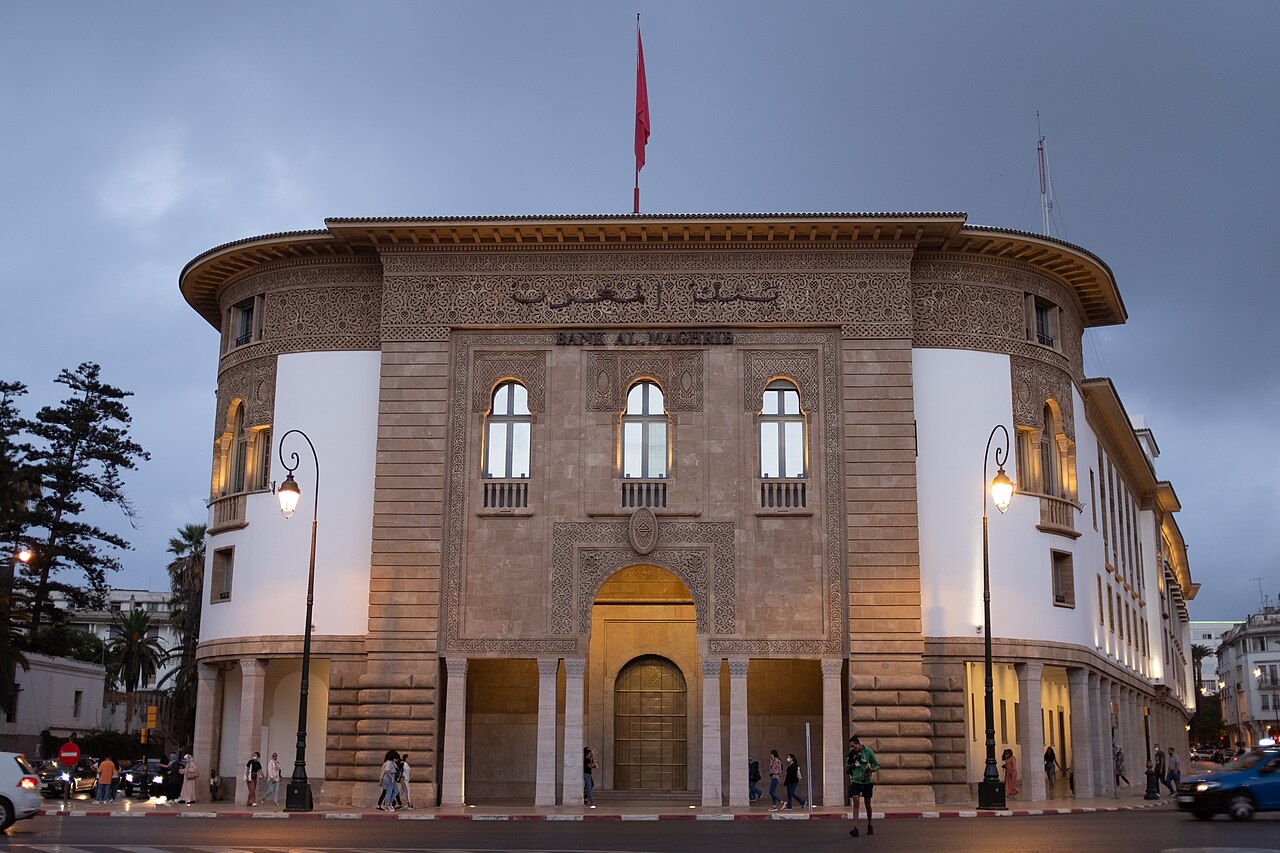
Bank Al-Maghrib has kept its key rate at 2.25% through the first part of 2026. Here is why the central bank is waiting, and what that means for loans and savings.
Bank Al-Maghrib, the central bank of Morocco, has kept its benchmark interest rate at 2.25% through the first part of 2026. For households, businesses and banks, a steady key rate sets the tone for borrowing costs across the economy. This article explains why the bank is waiting, and what that means for people who borrow or save.
The 2026 decisions so far
- March 17: the board kept the rate unchanged at 2.25% after its first quarterly meeting of the year.
- June 23: the rate was held again. One source describes this as the fifth consecutive hold on the key rate.
- September: the meeting focused on inflation projections. Check the bank's official release for the exact decision.
What the key rate actually does
The key rate is the interest rate the central bank sets for lending to commercial banks. When it rises, borrowing becomes more expensive across the financial system, which slows spending and helps control inflation. When it falls, borrowing becomes cheaper, which can support investment but may push prices up. Keeping the rate steady means the bank believes the current balance between inflation and growth is about right.
Why the central bank is waiting
In its June projections, the bank expects inflation to average 1.5% in 2026 and 2.1% in 2027. Those figures are low, which could argue for lower rates. However, the bank also has to weigh global inflation risks, including higher energy costs linked to the Middle East conflict.
When inflation is under control but external risks are high, the safest choice is usually to wait and see. That is the approach the bank has taken so far in 2026.

What it means for borrowers
When the key rate is stable, lending rates usually move slowly rather than jumping. In practice, this means:
- Mortgage and consumer loans: do not expect sudden drops in rates. Compare offers from several banks, and look at fees and insurance costs as well as the headline rate.
- Fixed or variable rates: a fixed rate gives certainty if you expect rates to rise. A variable rate may cost less if you expect a cut later in the year, but it carries more risk.
- Repayment planning: calculate the total cost of a loan over its full term, not only the monthly payment.
What it means for businesses
Bank lending is expected to grow by about 3.5% to 4% in 2026, mainly for business investment. Stable rates help companies plan their projects, because they can estimate financing costs with more confidence. For small and medium-sized firms, the key question is whether their bank offers terms that match their cash flow.
What it means for savers
A steady key rate also affects deposit returns. Savers should compare deposit products carefully, because the best return depends on the bank and the term, not only on the central bank's rate.
Outlook for the rest of 2026
Attijari Global Research expects the bank to keep the rate at 2.25% until the end of 2026, citing global inflation risks. This is a forecast, not a promise. The best approach is to follow each quarterly meeting of the bank's board and to read the official statements, which are published on bkam.ma.
Before making any borrowing decision, speak with your bank about the terms that apply to you. A few minutes of comparison can save far more than any small change in the key rate.
Key takeaways
- The key rate stayed at 2.25% at the 2026 meetings for which we have confirmed reports.
- The central bank projects inflation of 1.5% in 2026 and 2.1% in 2027.
- Stable rates usually mean slow changes in loan and deposit terms.
- Compare total loan costs, not only the headline rate.
A simple way to compare loan offers
Ask each bank for the total cost of the loan over its full term, including fees and insurance, and the effective annual cost. Then compare fixed and variable options side by side. A variable rate can look cheaper today, but it can rise if the central bank changes course. A fixed rate costs more at the start but gives you certainty about the monthly payment.
Frequently asked questions
What is the Bank Al-Maghrib key rate in 2026?
The key rate was held at 2.25% at the March and June 2026 meetings. Reports indicate the rate also stayed at 2.25% in September, but check the official release for the exact decision.
Will interest rates fall later in 2026?
Nobody can say for certain. Attijari Global Research expects the bank to keep the rate at 2.25% until the end of 2026, because of global inflation risks. This is a forecast, not a promise.
Where can I read the official decisions?
The official statements and quarterly reports are published on the central bank's website, bkam.ma.