Oil prices fell on hopes for US–Iran talks, but the Strait of Hormuz remains a major risk. Brent closed near $104 on 3 November. Here is what is moving the market.
Oil prices have been swinging on news from the Middle East. Traders have been reacting to hopes of peace talks between the United States and Iran, while still pricing in the risk of further disruption. This article explains the latest moves, the main risks, and what to watch next.
Where prices are
One weekly market recap reports that Brent crude closed at $103.60 a barrel on 3 November 2026, its lowest settlement since 7 October. Oil fell on the hope that the United States and Iran would move towards a deal. Reports differ on how far prices dropped during the week, from a brief fall of about 6% to a steeper decline, so treat the exact size of the move with caution.
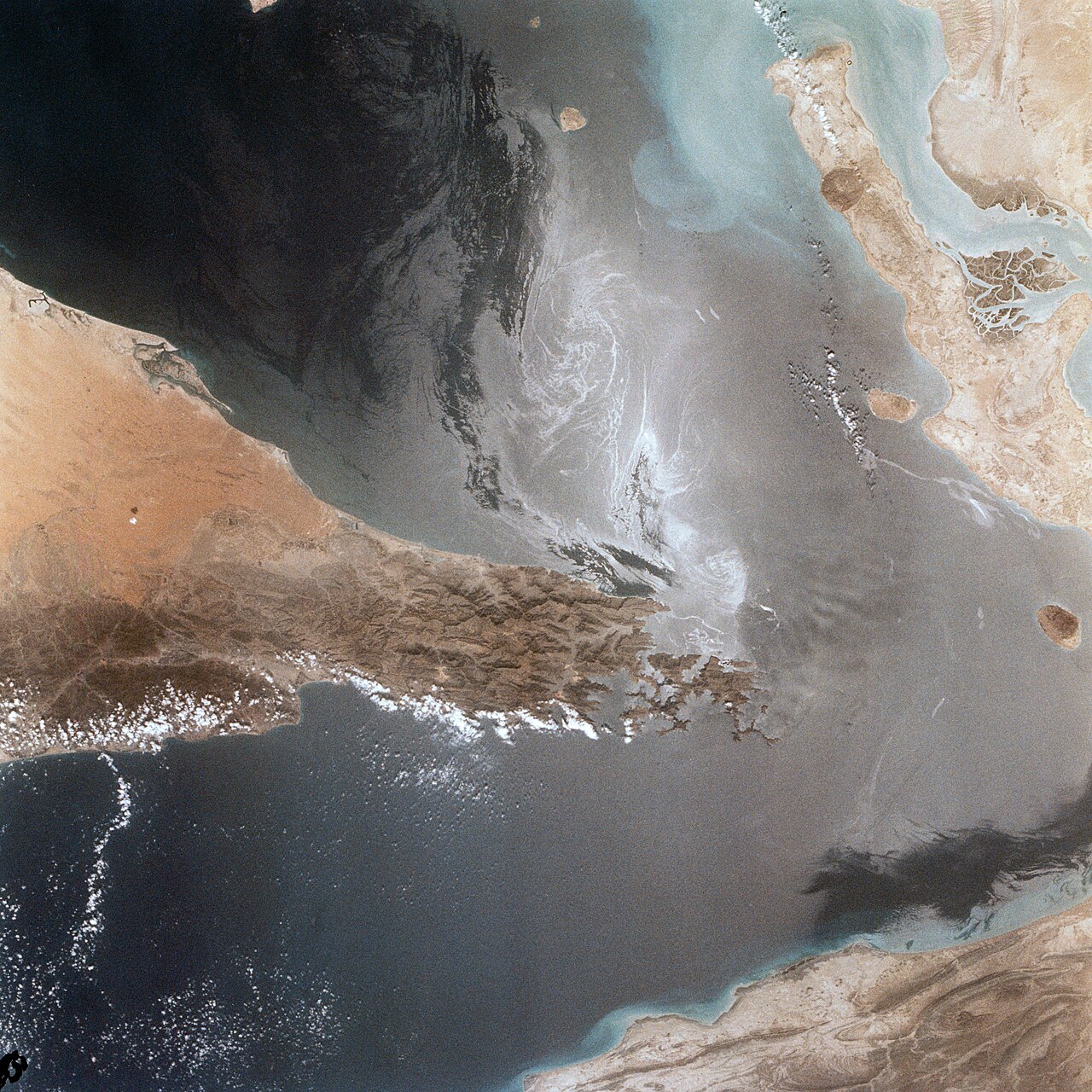
Why the Strait of Hormuz matters
The Strait of Hormuz is a narrow passage through which a large share of the world's oil and gas is shipped, historically around a fifth of global oil supply. One report says that an effective blockade has forced trade onto different routes. Even when ships keep moving, insurance costs and the risk of attack can raise the price of crude.
Supply buffers are thinner
The chief executive of ADNOC, the Abu Dhabi national oil company, has warned that global energy supply buffers have been significantly depleted. Spare capacity and stockpiles are what normally cushion the market when a supply route is disrupted. When they are low, even small shocks can lead to large price moves.
Russia, Ukraine and the wider picture
Russia, Ukraine and the United States plan talks in Abu Dhabi on 10 and 11 November. Reports suggest that an agreement could allow more Russian oil to reach international markets, which would add supply. Peace talks are not guaranteed to succeed, so markets are reacting to expectations rather than settled outcomes.
What it means for households and businesses
- Fuel prices: changes in crude prices reach petrol and diesel prices with a delay, depending on local taxes and subsidies.
- Transport and food: higher fuel costs raise the cost of shipping goods, which can feed into food prices.
- Inflation: sustained energy price increases can keep inflation higher for longer, which affects interest rates.
What to watch
- Whether US–Iran contacts lead to a formal agreement.
- The outcome of the Abu Dhabi talks on Russian supply.
- Shipping and insurance costs in the Strait of Hormuz.
Frequently asked questions
Why do oil prices move so much on Middle East news?
The Middle East supplies a large share of global oil, and the Strait of Hormuz is a key route. Any threat to shipping quickly changes expectations for supply.
Did oil prices fall this week?
Reports from early November 2026 describe falls in oil prices on peace-talk hopes. The size of the fall varies between sources, so check a live market feed for current prices.
Will talks lower fuel prices?
They could ease pressure on prices if supply improves, but fuel prices also depend on taxes, refining costs and local subsidies.