
Ransomware attacks are reaching record levels in 2026, even as ransom payments fall. Identity theft is now the main entry point. Here is what the data shows and how organisations can respond.
Ransomware is malicious software that locks a victim's data until a payment is made, often combined with the threat of leaking stolen files. In 2026, the number of attacks is high and more groups are active, but the money attackers receive is falling. This article reviews the latest figures and the practical lessons for organisations and individuals.
Record volumes
CyberMaxx counted a record 2,579 ransomware incidents in the second quarter of 2026, up 13% on the first quarter. Nord Security reports that attacks in the first half of 2026 were 20% higher than a year earlier, although its Q2 total was 4% lower than Q1. Black Kite's report found that publicly disclosed victims rose by about 25% in the year to March 2026. The trackers use different methods, so the totals diverge.
More groups, not just bigger ones
Black Kite describes a more fragmented market, with several ransomware operations growing at the same time. Comparitech's first-quarter tally shows Qilin at the top with 353 attacks, followed by The Gentlemen and Akira. The United States was the most targeted country, with 1,041 attacks in the same quarter.
Identity is the main way in
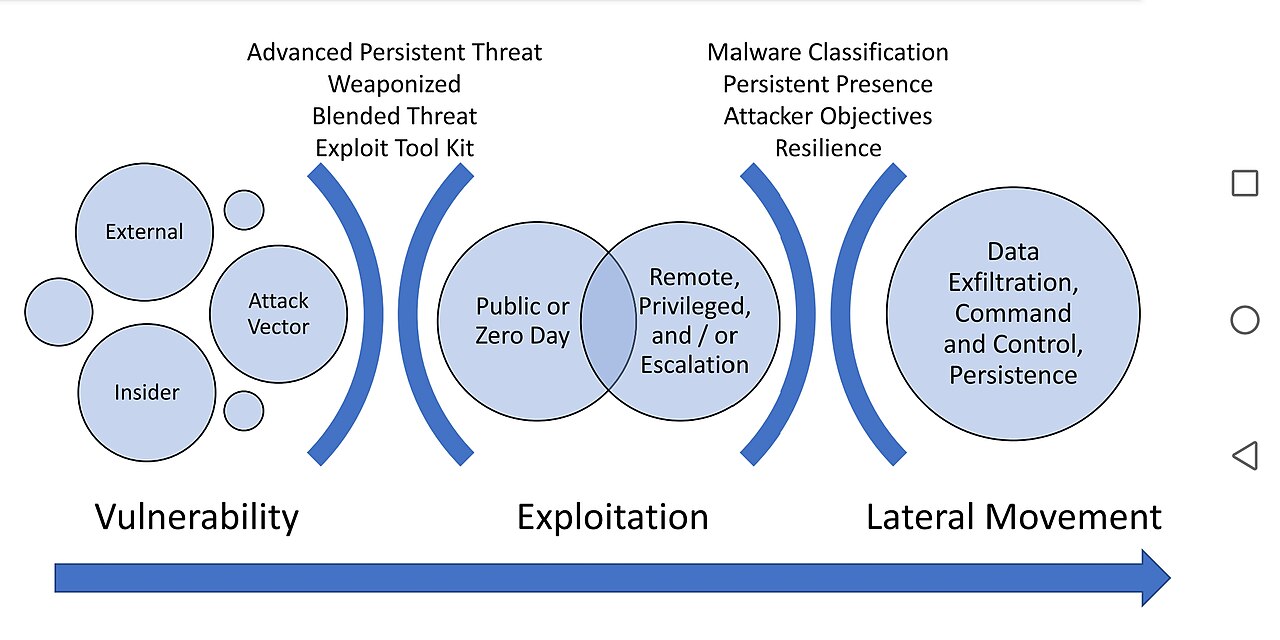
Sophos's State of Ransomware 2026 survey says that 79% of ransomware attacks begin with compromised identity, such as stolen passwords or access tokens. That is nearly double the share caused by malicious email and phishing combined. Attackers prefer logins because they look like normal activity and give access to many systems at once.
Payments are falling, costs are rising
Sophos reports that ransom demands and payments have dropped sharply, while the financial cost of recovery is climbing. Flashpoint notes rising attack volumes alongside falling revenue for the criminal groups. The likely explanation is that organisations are paying less, and recovering from attacks is more expensive for victims.
New tools for attackers
Flashpoint reports that ransomware operators are deploying autonomous, agent-based tools during attacks. Brandefense says attacks on hypervisors, the software that runs virtual servers, are becoming standard. Attacking the virtual layer can lock many systems at once.
What organisations can do
- Protect identities: enforce multi-factor authentication and remove unused accounts.
- Patch quickly: Black Kite found that 43.5% of victims had not fixed critical vulnerabilities even after being breached.
- Keep offline backups: test restores regularly so recovery is possible without paying.
- Train staff: teach people to recognise suspicious requests, especially those that ask for login details.
What to watch
- Whether the drop in ransom payments continues through 2026.
- How attackers use automation and AI in their operations.
- Whether regulators require faster reporting of incidents.
Frequently asked questions
What is ransomware?
Ransomware is malicious software that encrypts or locks a victim's data and demands payment, often while threatening to publish stolen files.
How do most ransomware attacks start?
According to Sophos's 2026 survey, 79% begin with compromised identity, such as stolen logins. Phishing and malicious email are the second route.
Should organisations pay the ransom?
Paying does not guarantee recovery and can encourage more attacks. Strong backups and tested recovery plans reduce the pressure to pay.