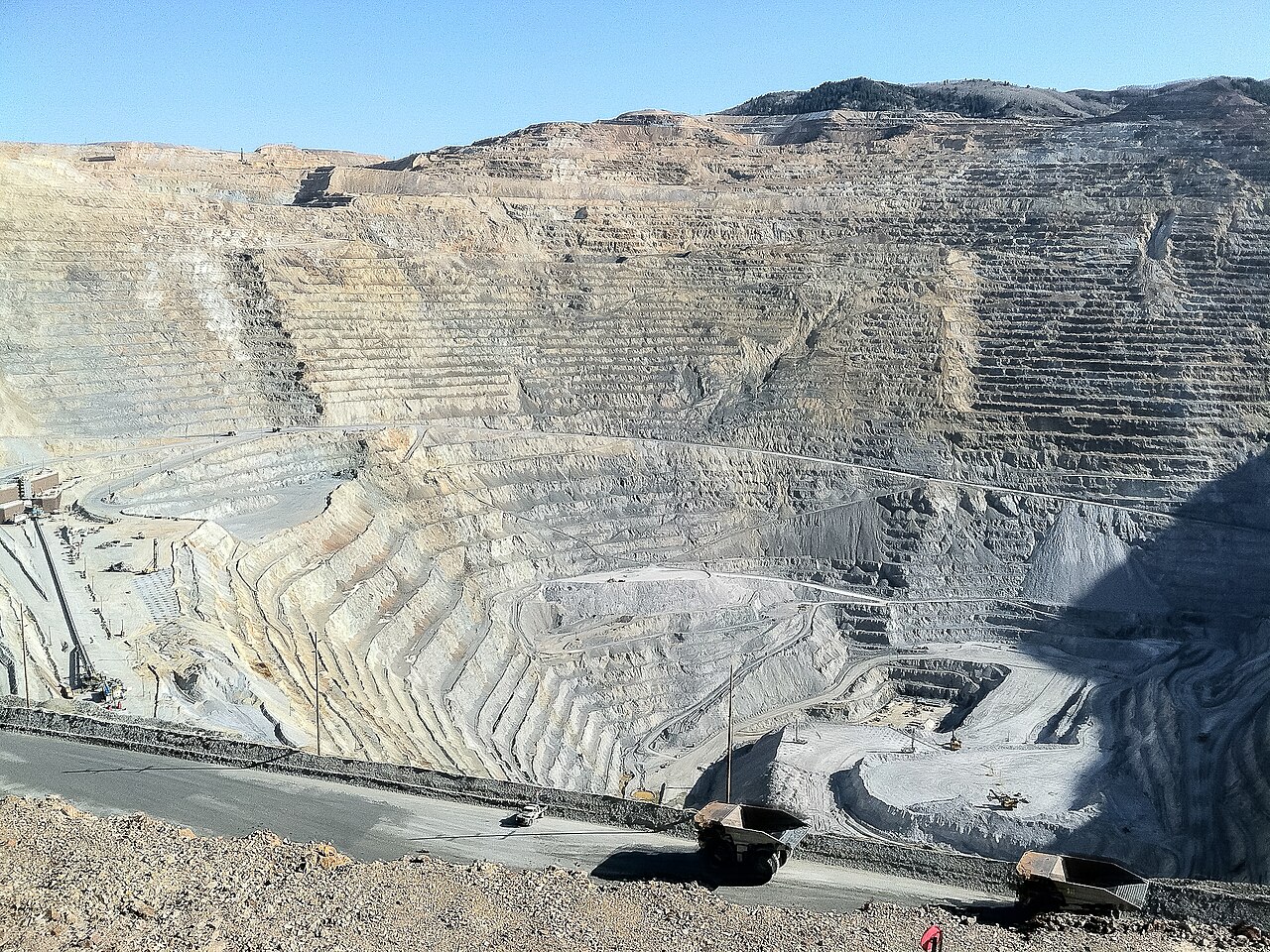
The IEA warns that copper and lithium supply will stay tight for years. Export restrictions, sulphuric acid shortages and falling investment are key reasons. Here is what to watch.
The energy transition depends on metals that most people never think about. Copper carries electricity through grids and into electric vehicles, and lithium is central to batteries. The International Energy Agency (IEA) now argues that the main concern has shifted from meeting demand to securing supply. This article explains why, and what that means for prices and projects.
The IEA's message: securing supply
The IEA's Global Critical Minerals Outlook 2026, released in July 2026, highlights three risks: concentration of supply in a few countries, export restrictions, and declining investment in new mines and processing. The report's central point is that the world can buy the minerals it needs only if it can build the capacity to produce them.
Copper and lithium deficits could last
Based on the current project pipeline, the IEA expects supply deficits for copper and lithium to persist through 2035. The outlook has improved somewhat, and copper's improvement depends on new projects, particularly in the Democratic Republic of the Congo and Zambia. A deficit means demand is expected to exceed available supply, which keeps upward pressure on prices.

Prices are rising
Secondary reports say copper prices hit record highs in 2026 and that base metals such as aluminium, copper and tin rose by about a third between January 2025 and April 2026. Lithium prices have also rebounded strongly, with one report saying they more than doubled as energy-storage demand grew. Cobalt rose sharply after export restrictions in the DRC. These price figures come from market commentary, so check a live market source for current levels.
The sulphuric acid problem
An important but less visible risk is sulphuric acid, which is used in processing some copper and other minerals. China restricted sulphuric acid exports in May 2026, and acid prices reportedly surged. Export restrictions in general are widening regional price gaps, which means the same metal can cost very different amounts depending on where it is sold.
Investment is uneven
One secondary report says lithium producers cut investment by around 40%, while copper-focused companies increased spending by about 8%. If confirmed, this difference suggests that copper projects are attracting more capital than lithium projects, which could shape which supplies come on stream first.
Why it matters beyond the energy sector
- Cost of power: higher metal prices can raise the cost of grids, cables and batteries.
- Industrial policy: governments increasingly support mining, refining and recycling as strategic priorities.
- Resource-rich countries: export rules can bring new income, but they can also create trade tensions.
What to watch
- New copper projects in the DRC and Zambia.
- Export policies on sulphuric acid, cobalt and other minerals.
- Recycling and battery-material processing, which can ease pressure on mining.
Frequently asked questions
Why are copper and lithium important?
Copper is used in power grids, cables and electric vehicles. Lithium is central to rechargeable batteries used in cars and energy storage.
Will shortages last?
The IEA expects deficits for copper and lithium to persist through 2035 based on the current project pipeline, although the outlook has improved somewhat.
Where do these minerals come from?
Production is concentrated in a small number of countries, which is one reason the IEA highlights supply risk. Examples in the reports include the DRC for cobalt and copper, and South American salt flats for lithium.