The 2026-27 US flu season started early, and hospital admissions were still rising in late October. Nearly all viruses identified so far are H1N1. Here is what CDC data shows and how to protect yourself.
The 2026-27 US flu season has started early. In the week ending October 24, 2026, hospitals reporting to the CDC logged 6,100 lab-confirmed flu admissions, up from 4,811 the week before. CDC forecasts predicted a further increase in hospital admissions and emergency visits for the week ending November 14, according to its FluView reporting.
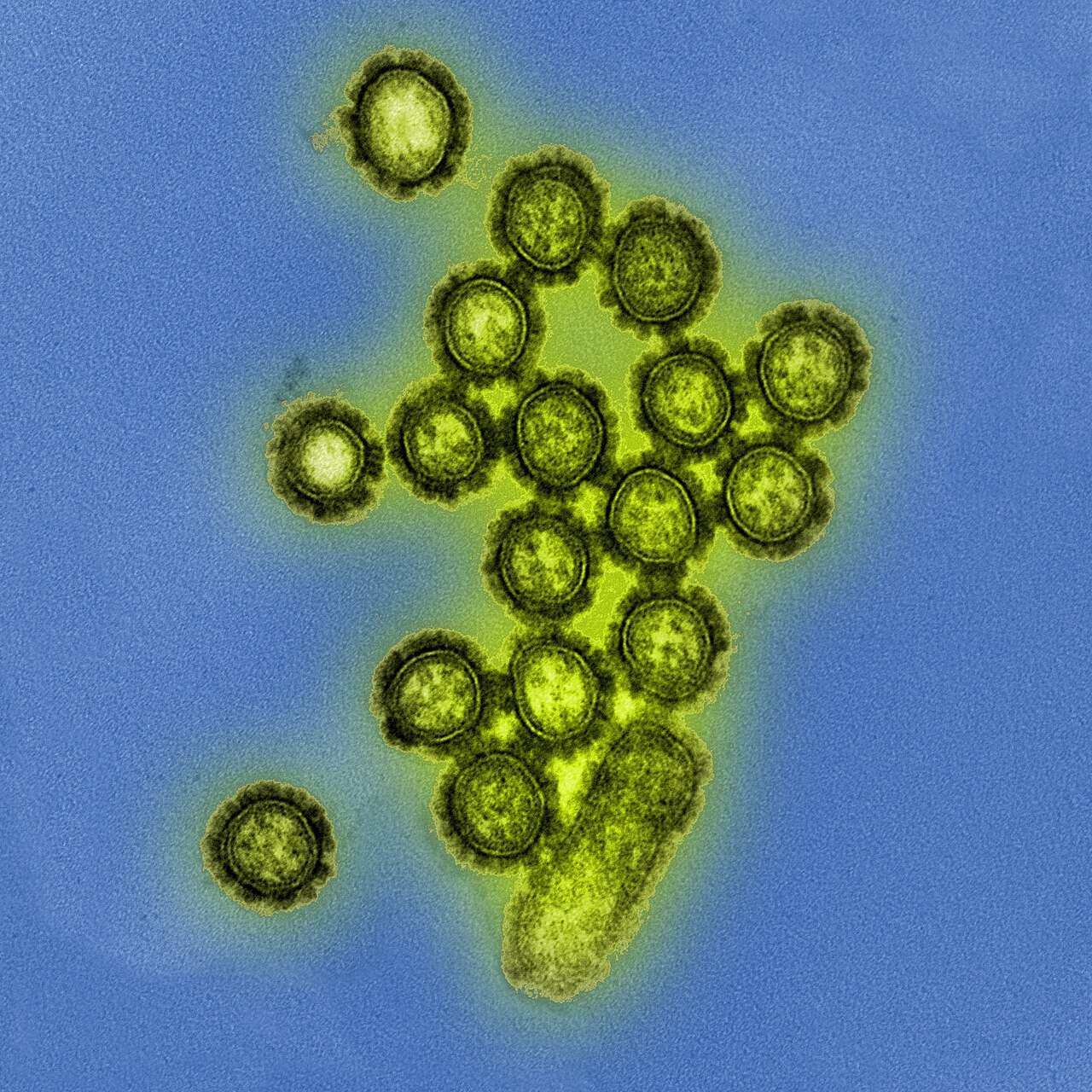
What is driving the early season
Nearly all flu viruses identified so far this season have been H1N1. Activity began ramping up in late August, shortly after updated flu shots started rolling out. One report said the mid-October hospitalization rate was the highest for that point in the season since 2010-11, although CDC cautions that an early start does not guarantee a worse peak.
Is this season going to be severe?
CDC says it is too early to know. Health officials are watching hospital capacity, pediatric cases and vaccine coverage. The first influenza-associated pediatric death of the season was reported in the same week, a reminder that children can become seriously ill.
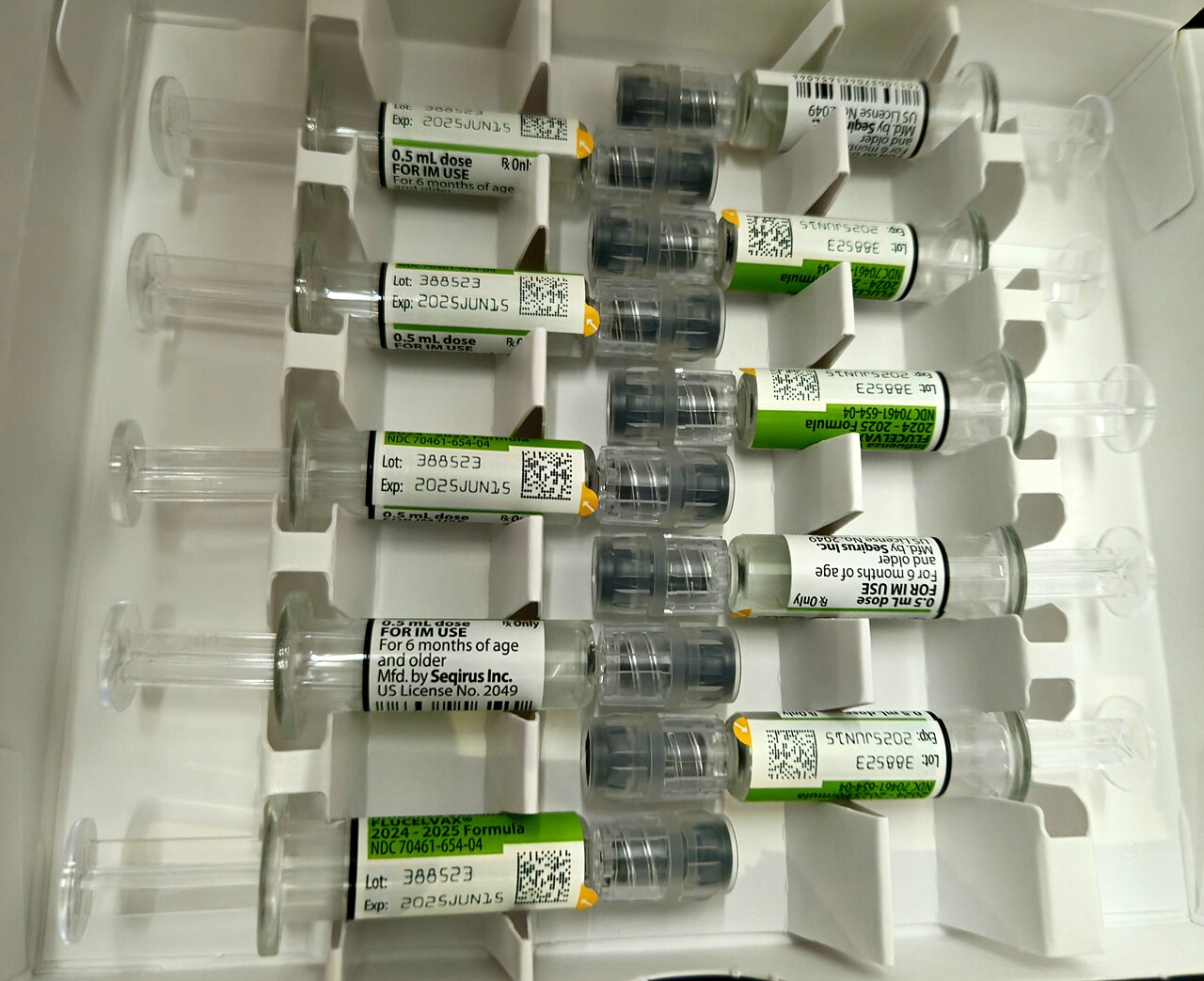
How to protect yourself
Get a flu vaccine if you have not already, since it takes about two weeks to build protection. Wash hands often, stay home when you are sick, and seek care quickly if you have trouble breathing, persistent chest pain or confusion. Older adults, young children, pregnant people and people with chronic conditions face higher risk.
Key takeaways
- Hospitals logged 6,100 lab-confirmed flu admissions in the week ending October 24, 2026.
- Nearly all identified viruses this season are H1N1.
- CDC says an early start does not necessarily mean a more severe peak.
- Vaccination and early care for severe symptoms are the best protection.
Frequently asked questions
Why did the flu season start early in 2026?
The dominant H1N1 strain began spreading in late August. CDC data shows rising hospital admissions through October.
Is the flu vaccine still worth getting?
Yes. Vaccination reduces the risk of severe illness, and it takes about two weeks to take full effect.
When should I see a doctor for the flu?
Seek care quickly if you have trouble breathing, chest pain, confusion, or symptoms that improve and then return with fever.