On November 9 the FDA required labels for Ozempic, Wegovy, Mounjaro, Zepbound and the rest of the class to warn of NAION, a rare cause of sudden vision loss. The agency calls it a potential risk, not a proven cause.
What changed
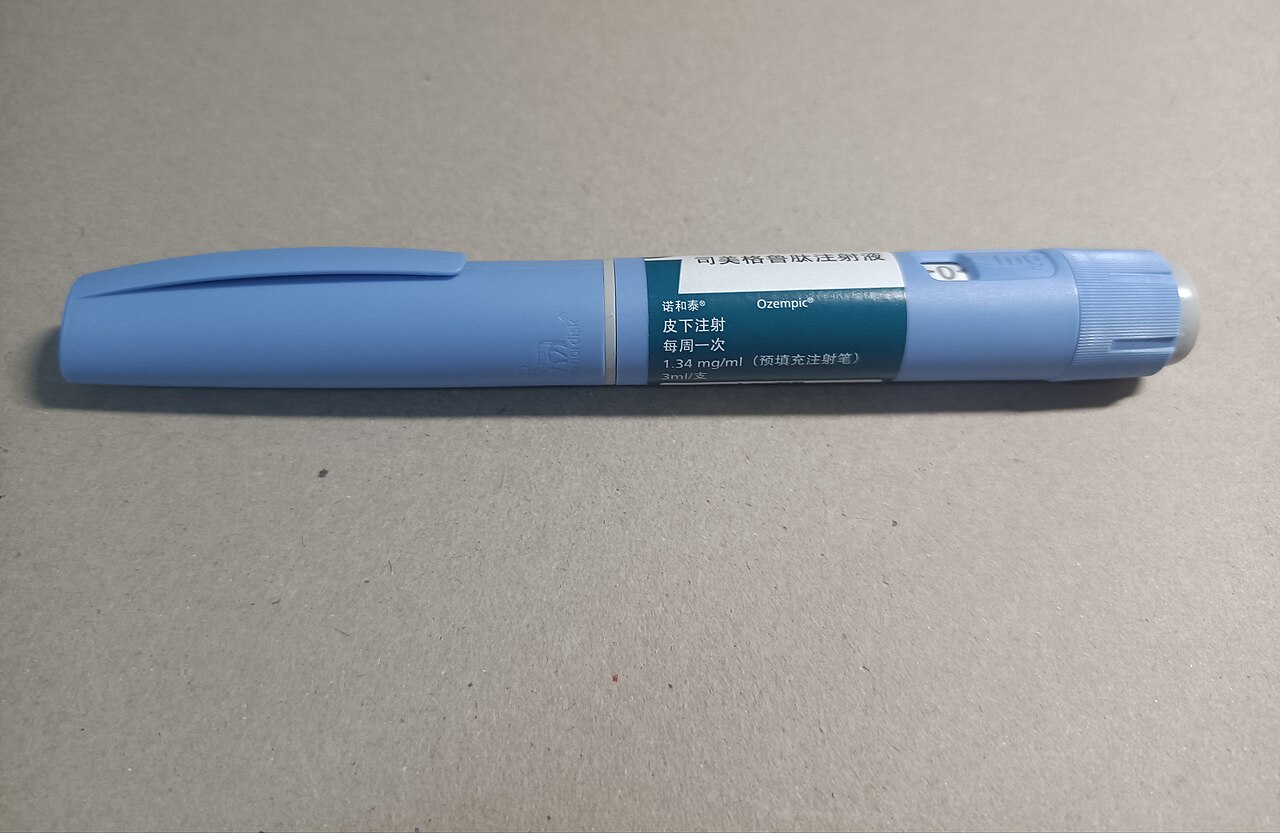
The US Food and Drug Administration announced on November 9 that makers of GLP-1 receptor agonists must add a warning about nonarteritic anterior ischemic optic neuropathy, or NAION, to their labels. The drugs named include semaglutide products (Ozempic, Rybelsus and Wegovy) and tirzepatide products (Mounjaro and Zepbound). Orforglipron is covered as well, and the requirement applies whichever condition the drug is prescribed for. The warning goes in the Warnings and Precautions section.
What NAION is
NAION is damage to the optic nerve caused by reduced blood flow. It typically causes sudden, painless loss of vision in one eye and can be permanent. It is rare, and it occurs in people who have never taken these medicines.
What the evidence shows
The FDA cited a 2024 study and a review of trial data and concluded there is a potential increased risk. It also said NAION cases have been reported for every GLP-1 drug now on the market. European regulators went first: the European Medicines Agency concluded in June 2025 that NAION was a very rare side effect of semaglutide. Some secondary coverage notes that a pooled analysis of semaglutide and tirzepatide cannot reliably rank the two drugs against each other for safety.
What patients should do
Clinicians are being told to advise patients to report sudden, painless vision loss in one eye right away, to refer suspected cases to an ophthalmologist, and to consider stopping the drug unless the benefits clearly outweigh the risk. Patients should not stop a prescription on their own because of a headline. Anyone with questions, particularly people who already have eye disease or a history of optic nerve problems, should speak to the prescriber.
For the many people who take these drugs for diabetes or weight loss, the absolute risk remains very small. The change mainly means that the risk will now be spelled out in the same place as other serious warnings.
Also on EcoPress: Early Flu Season 2026: H1N1 Hospital Admissions Climb · Coffee, Flu Shots and Weight-Loss Surgery: How to Read This Week's Health Headlines
Sources and further reading: NeurologyLive; Healthline. Figures are as reported on the date of publication and may change.