Net foreign direct investment into Morocco rose 58.4% in the first nine months of 2026. We look at what is driving the increase and what could slow it down.
Foreign direct investment (FDI) is one of the clearest signs of how the world sees an economy. According to figures from the Office des Changes, net FDI inflows into Morocco rose 58.4% to about 35.24 billion dirhams in the first nine months of 2026. This article explains what is driving that increase, why ports and logistics matter so much, and what could still hold investment back.
What FDI means
Foreign direct investment means a foreign company or investor buying a lasting stake in a local business, building a factory or setting up operations. It differs from portfolio investment, such as buying shares on the stock market, because it brings long-term capital, equipment, know-how and jobs. For this reason, many governments track FDI closely as a sign of confidence.
What is driving the increase
- Large project approvals: a recent wave of approved investment projects is worth more than 86 billion dirhams.
- Infrastructure: public works in ports, rail and tourism create opportunities for foreign contractors and suppliers.
- Logistics and trade: Morocco's ports and trade agreements make it attractive for companies that serve Europe and Africa.
- Financial services: Casablanca Finance City keeps positioning Morocco as a regional hub for finance and professional services.
Why ports matter
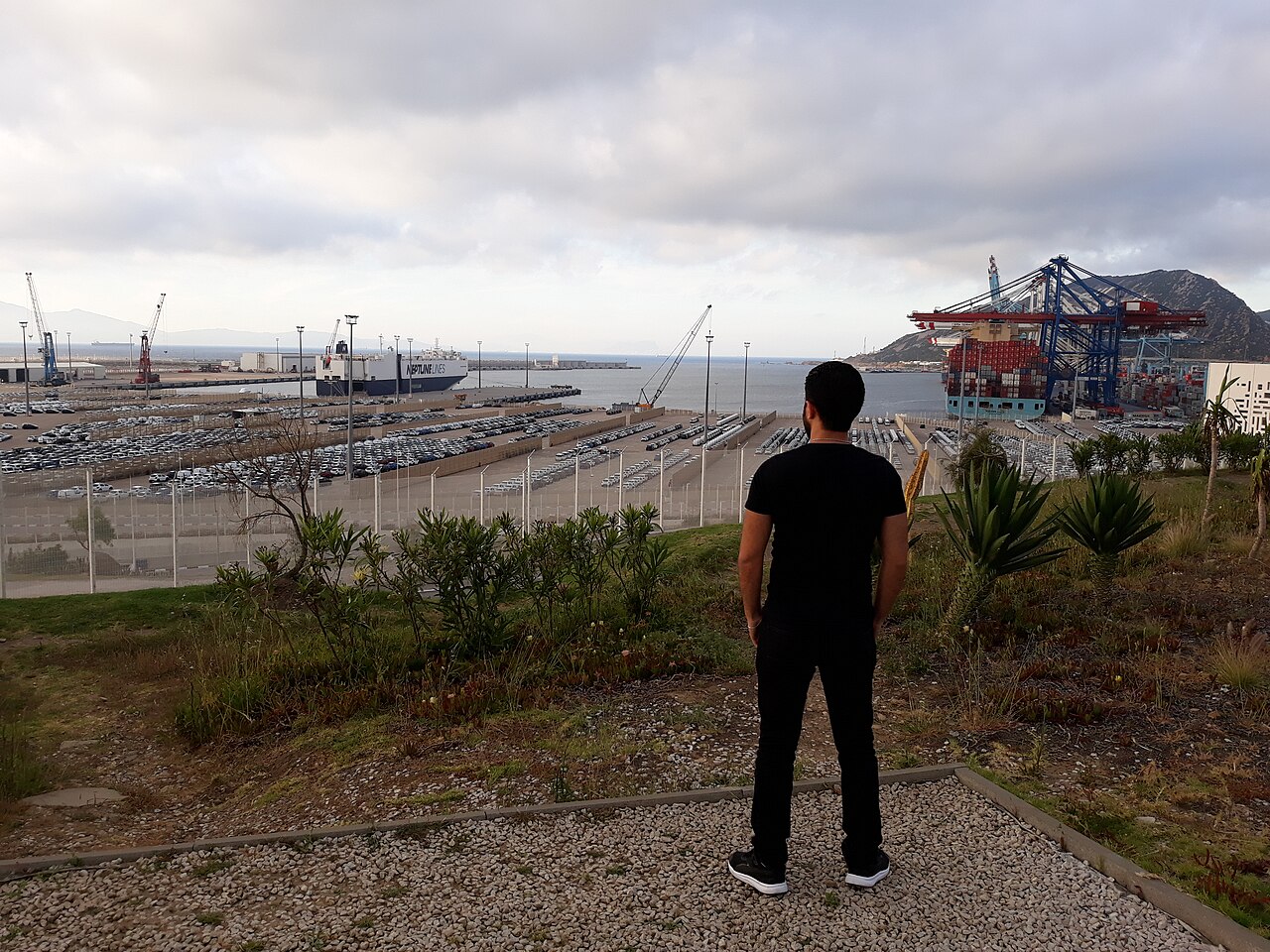
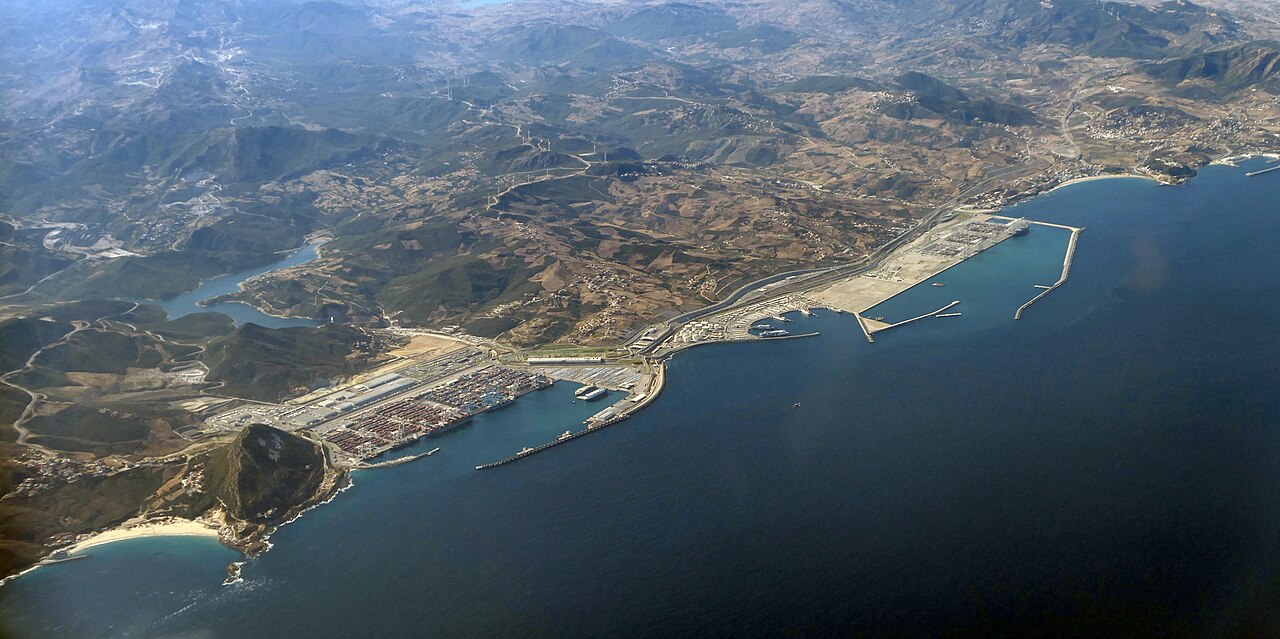
Tanger Med is one of the most important logistics platforms in the region. A strong port network lowers the cost of moving goods, which makes factories and distribution centres more competitive. For investors who depend on reliable shipping routes, this is a major advantage. It is one reason why logistics and manufacturing are often the first sectors to attract foreign capital.
The challenges
Strong FDI numbers do not remove every barrier. Reports describe a stricter foreign-exchange review for large projects, which investors need to plan for from the start. Business owners should also watch the cost of energy, which forecasters have linked to Middle East tensions. Higher energy costs can squeeze margins in energy-intensive industries.
Growth also has to reach the wider economy. Foreign investment that creates skilled, well-paid jobs for Moroccans will matter more over time than the headline total. Investors and policymakers both benefit when local suppliers and workers are part of the chain.
What investors should check
- The approval process and foreign-exchange rules for the size of the project.
- Access to skilled labour in the specific sector.
- Logistics links, especially port access and road or rail connections.
- Incentives and tax rules for the chosen location and business type.
What to expect next
If infrastructure spending continues and the business climate stays stable, FDI could remain a strong driver of growth in 2026. The figures should still be checked against the official releases of the Office des Changes as they are published, because early figures are often revised.
Key takeaways
- Net FDI inflows rose 58.4% in the first nine months of 2026, according to the Office des Changes.
- Approved projects worth more than 86 billion dirhams support the trend.
- Ports, infrastructure and financial services are the main attractions.
- Foreign-exchange rules for large projects and energy costs are the main challenges.
Why investors look at more than the total
A large FDI total can include a few very big deals. Investors and analysts therefore look at the number of projects, the sectors involved and whether the capital creates lasting jobs. A strong figure is most useful when it is backed by factories, services and training that continue long after the initial announcement.
Frequently asked questions
How much foreign direct investment did Morocco attract in 2026?
According to the Office des Changes, net FDI inflows rose 58.4% to about 35.24 billion dirhams in the first nine months of 2026.
What is the difference between FDI and portfolio investment?
FDI is a lasting stake, such as building a factory or owning a business. Portfolio investment means buying shares or bonds, which can be sold quickly. FDI usually brings equipment, skills and jobs with it.
Why do ports matter for investors?
Ports lower the cost of moving goods. Tanger Med is one of the region's key logistics platforms, which helps manufacturers and distributors that serve Europe and Africa.