Global forecasters agree that 2026 is a period of slower growth, geopolitical fragmentation and rapid technology change. Here are the megatrends that matter most and how to read them.
Every year, consultancies, investment firms and international organisations publish lists of megatrends, the big forces that shape the next decade. In 2026, the lists broadly agree on three themes: slower growth, geopolitical fragmentation and rapid technology change. This article explains the main megatrends and how to read the forecasts behind them.
Slower growth is the baseline
An investment firm, Activant, describes 2026 as a period of constraint, with global growth expected to be the slowest in decades over the next five years. StartUs Insights puts global growth near 2.3%. Forecasts differ, but the message is consistent: the easy gains of the past are harder to repeat.
Fragmentation and supply chains
Trade fragmentation, which means the world splitting into blocs with different rules and tariffs, is reshaping supply chains. Companies are moving production closer to their markets or spreading it across more countries, which can raise costs but reduce risk. For readers, this means that prices and jobs can shift as factories move.

Tech sovereignty
Activant identifies tech sovereignty as an emerging strategic priority. This is the ability of a country or company to own and control its technology stack, from chips and cloud computing to data and AI models. Governments are increasingly treating this as a matter of economic security, not just innovation.
Automation and robotics
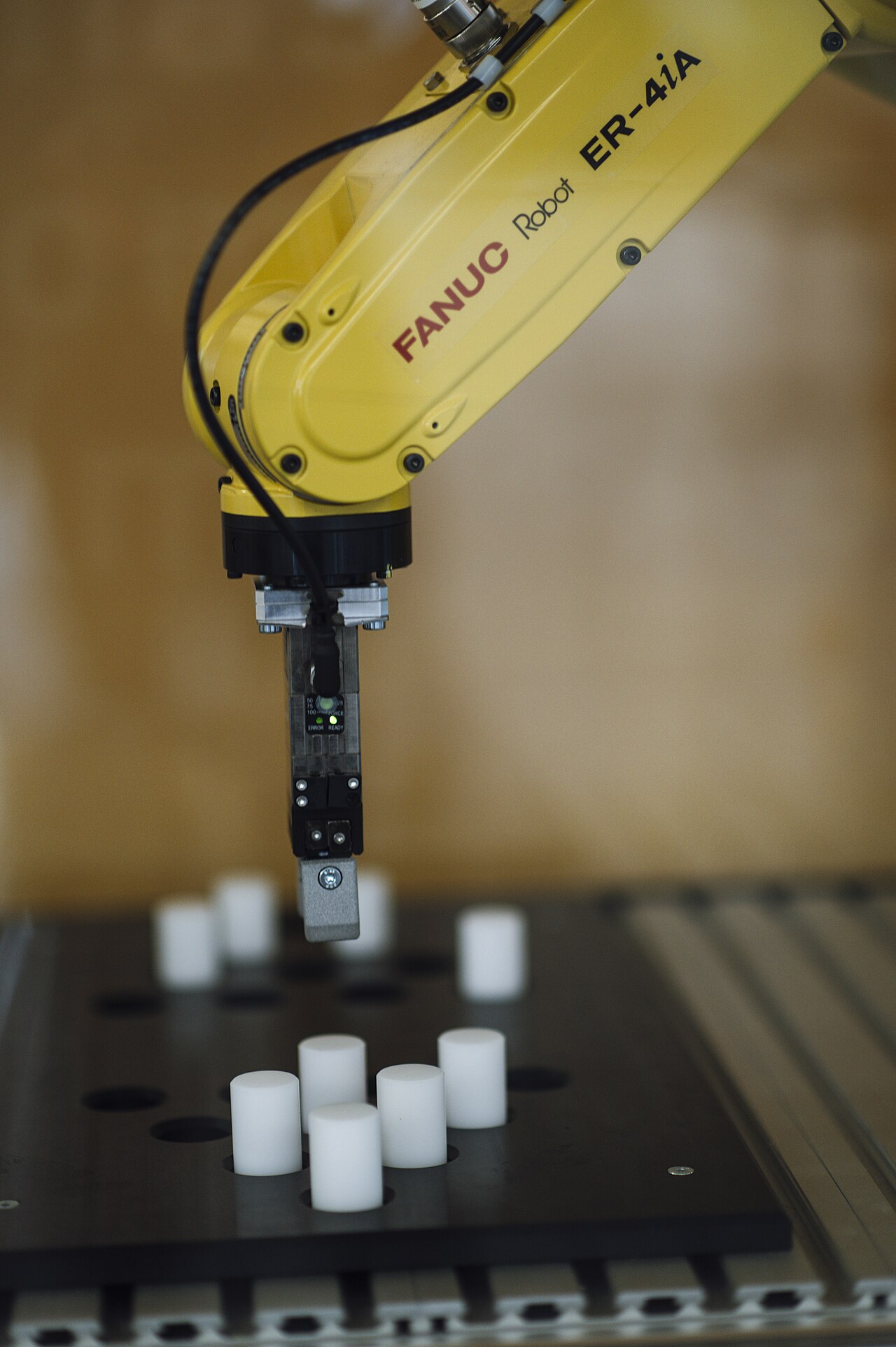
Rankia expects 2026 could be a breakthrough year for robotics. Automation affects factories, warehouses and services, and it changes which skills are in demand. Frost & Sullivan links AI and human collaboration to changes in productivity, decision-making and workforce models.
Energy transition
StartUs cites $2 trillion of energy-transition investment and accelerating EV adoption. Economy Middle East estimates that reaching net zero by 2050 could require about $275 trillion of capital spending. These figures are very large and depend on many assumptions, so they are best read as the scale of the challenge rather than precise targets.
How to read megatrend reports
Consultancy frameworks such as EY's "NAVI world" (nonlinear, accelerated, volatile, interconnected) are useful for organising ideas. However, their headline numbers and rankings are not directly comparable, because each firm uses its own method and audience. Check the original reports before quoting specific figures.
What to watch
- How trade rules and tariffs change supply chains in the next two years.
- Government policies on chips, cloud infrastructure and AI.
- Investment in energy transition and the grid needed to support it.
Key takeaways
- Forecasters broadly expect slower growth and more geopolitical fragmentation.
- Tech sovereignty and AI are becoming strategic priorities for governments and companies.
- Supply chains are being reshaped by trade rules and tariffs.
- Megatrend reports are useful for direction, but their numbers are not directly comparable.
How to use megatrend research
Use megatrend reports to identify the forces that will matter over the next five to ten years, then test them against current data. A trend is only useful when it changes a decision, such as where to invest, which skills to build or which markets to watch. Ask what would have to happen for the trend not to materialise, and check the assumptions behind the headline figures.
Frequently asked questions
What is a megatrend?
A megatrend is a large, long-lasting force that shapes economies and societies over many years, such as technology, demographics, climate or geopolitics.
What is tech sovereignty?
Tech sovereignty is the ability of a country or company to control its own technology, including chips, cloud services, data and AI systems, rather than depending on others.
Why do megatrend forecasts disagree?
Each organisation uses different methods, data and assumptions. The direction is often similar, but the numbers and rankings can vary widely.