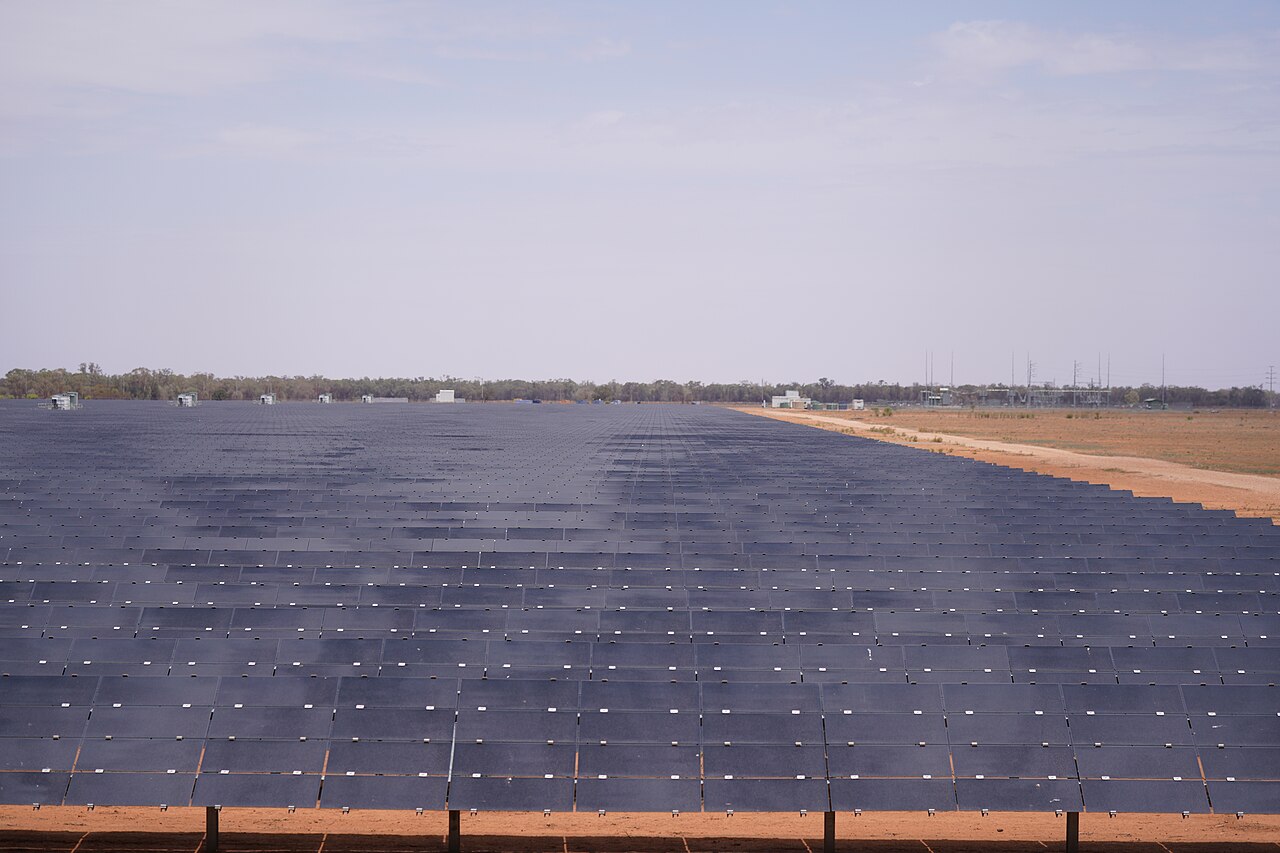
Renewable energy investment is flat worldwide in 2026, but solar-plus-storage and US solar hit records. Wind and offshore projects are slowing. Here is what the latest data shows.
Renewable energy is one of the largest investment themes in the world, but the 2026 picture is mixed. Total spending has levelled off, while some technologies are setting records and others are falling sharply. This article uses the latest BloombergNEF data for the first half of the year.
The overall total is flat
BloombergNEF reports that renewable energy investment reached $327.5 billion in the first half of 2026. That is roughly the same as the previous six months, but 21% below the peak of the second half of 2024. In other words, the boom has paused rather than reversed.
Solar and storage set records
- Co-located solar plus storage: a record $25 billion in the first half of 2026, nearly double the second half of 2025 and about triple the first half of 2025.
- US solar: a record $45.8 billion, up 41% on the previous year.
- US wind: more than doubled to $13.8 billion.
Storage matters because it lets solar power be used after the sun goes down. That makes solar more useful for grids and for businesses that need reliable electricity.
Wind and offshore are struggling
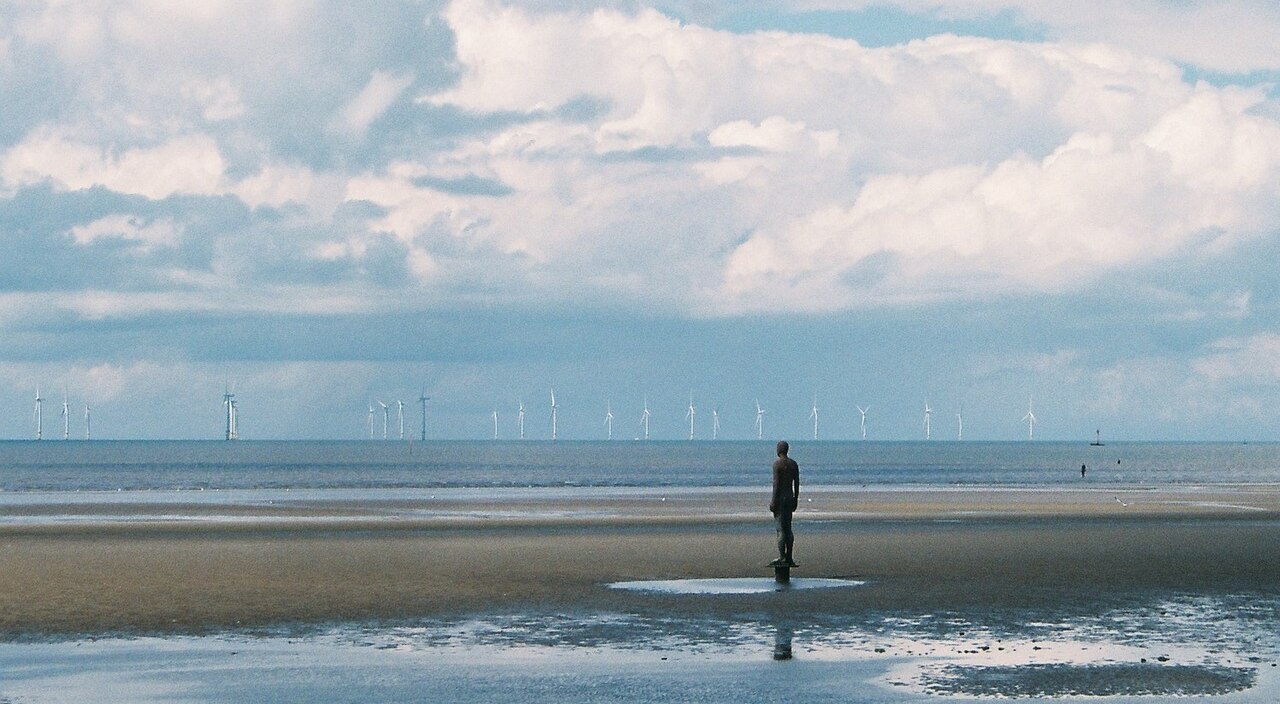
Global wind investment reached $92.3 billion in the first half of 2026, down 27% on the same period a year earlier. Offshore wind investment fell by 72% year on year. Large offshore projects are expensive and take years to build, so a slowdown in new commitments can have long-lasting effects.
Different sources, different totals
Broader clean-energy estimates are much higher than BloombergNEF's renewable figures. The IEA's World Energy Investment 2026 report suggests clean energy will receive close to twice the investment of fossil fuels this year. Other estimates put renewable power investment near $665 billion. These numbers use different scopes and methods, so they should not be compared directly.
Installations expected to dip
BloombergNEF expects new renewable capacity additions in 2026 to be lower than in 2025. That would be the first year-on-year decline in more than a decade, with additions expected to rise again from 2027.
What to watch
- Whether storage investment continues to grow faster than solar.
- Whether offshore wind projects recover from their sharp fall.
- Grid investment, which determines how much new power can actually be connected.
The lesson for investors and readers is to look past the headline total. Solar and storage are growing strongly, while wind and offshore are facing headwinds.
Key takeaways
- Total renewable investment was $327.5 billion in the first half of 2026, flat on the previous half-year.
- Co-located solar plus storage reached a record $25 billion.
- Wind investment fell 27%, and offshore wind fell 72%.
- BloombergNEF expects 2026 capacity additions to be lower than in 2025.
Why grids matter as much as generation
Building new power plants is only part of the challenge. Electricity has to reach homes and factories through transmission and distribution networks, which need investment and time. Storage and grid upgrades help new renewable power connect reliably, and they are often the bottleneck when projects are delayed.
Frequently asked questions
Did renewable energy investment hit a record in 2026?
Not overall. BloombergNEF reports $327.5 billion in the first half of 2026, flat on the previous six months and 21% below the 2024 peak. Some categories, such as co-located solar plus storage and US solar, did set records.
Why is offshore wind falling?
BloombergNEF reports that offshore wind investment fell 72% year on year in the first half of 2026. Offshore projects are costly and take years to develop, so new commitments can drop quickly.
Why is storage important for solar?
Storage lets solar electricity be stored and used later, including after sunset. This helps grids balance supply and demand.