GLP-1 obesity and diabetes medicines are among the fastest-growing drug markets. Sales, oral pills, price cuts and insurance coverage are the main trends to understand in 2026.
GLP-1 medicines, originally developed for diabetes, have become one of the largest pharmaceutical markets in the world. Their use for weight loss has pushed sales far beyond earlier expectations. This article covers the sales numbers, the shift towards oral pills, and the pricing and insurance decisions that will decide who can access these treatments. It is business and market analysis, not medical advice.
The size of the market
Morgan Stanley puts total GLP-1 sales at about $79 billion in 2025, and projects that the market could reach around $190 billion by 2035. Its scenarios range from $170 billion to $240 billion. The figure covers diabetes and obesity together, so it is broader than weight-loss drugs alone.
Eli Lilly's Mounjaro and Zepbound together brought in $36.5 billion in 2025. A Reuters report cited in 2026 coverage described Mounjaro sales rising 91% in a recent quarter, to about $9.94 billion.
A forecast of the top drug class
Evaluate forecasts that GLP-1 drugs will become the world's top-selling drug class in 2026, passing the cancer drug Keytruda. It projects that tirzepatide and semaglutide alone will exceed $84.5 billion combined. This is a forecast, not a reported result, so check final annual figures when they are published.
The shift to oral pills
Lilly's oral medicine orforglipron, sold as Foundayo, received US approval in April 2026. Analysts project that oral GLP-1 medicines could reach about $22 billion in sales within four years. Pills could make treatment easier to start and easier to scale, although they will still compete with injections on price, convenience and effectiveness.
Price cuts and insurance
Novo Nordisk has said it plans to cut US list prices by up to 50% from 2027. Lower prices could widen access, but they also reduce revenue per patient. Coverage is another limit: some reports say Medicaid obesity coverage will shrink in 2026 in several states, including California. Access will therefore depend heavily on where a person lives and what insurance they have.
Beyond the first generation
GlobalData forecasts total obesity drug sales of about $172.6 billion by 2031, up from about $72.2 billion in 2026. Drugs that are not GLP-1s are expected to grow too, reaching around $15.5 billion by 2031. Competition from new drug classes could affect the pricing power of today's leaders.
What to watch
- Adoption of oral GLP-1 pills and their pricing.
- Insurance and public coverage decisions in the United States and other markets.
- Long-term safety and outcome data, which will shape doctors' and payers' decisions.
For patients, the most important point is that these medicines should be discussed with a qualified doctor, who can weigh benefits, side effects and cost.
Frequently asked questions
What are GLP-1 medicines?
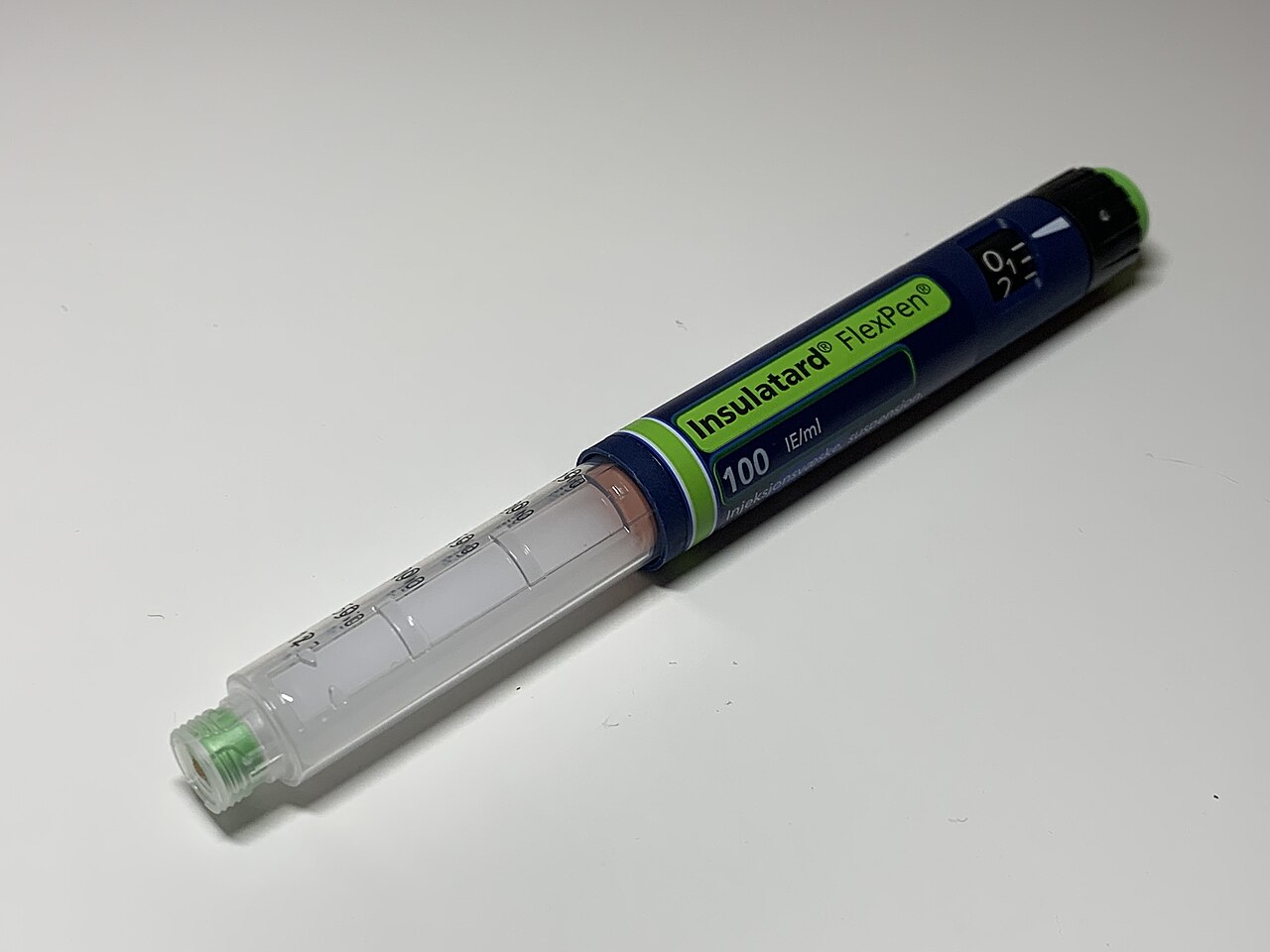
GLP-1 medicines are a class of drugs that mimic a natural hormone to control blood sugar and appetite. They were first used for diabetes and are now widely used for weight management.
Are GLP-1 sales really the largest drug class?
Evaluate forecasts that they will become the top class in 2026, but this is a forecast. Check reported annual sales when they are published.
Will oral pills replace injections?
Not necessarily. Oral pills could widen access, but injections will remain important, and the choice depends on price, convenience and clinical factors.