Morocco is spending heavily on high-speed rail, ports, airports and stadiums. We explain the projects, the money behind them, and what they mean for jobs and growth.
Morocco is in the middle of one of the largest infrastructure programmes in its recent history. Rail, ports, airports, tourism facilities and stadiums are all receiving investment. The 2026 budget puts public investment at roughly $40 billion, and the programme is closely tied to the country's long-term plans for 2030.
High-speed rail
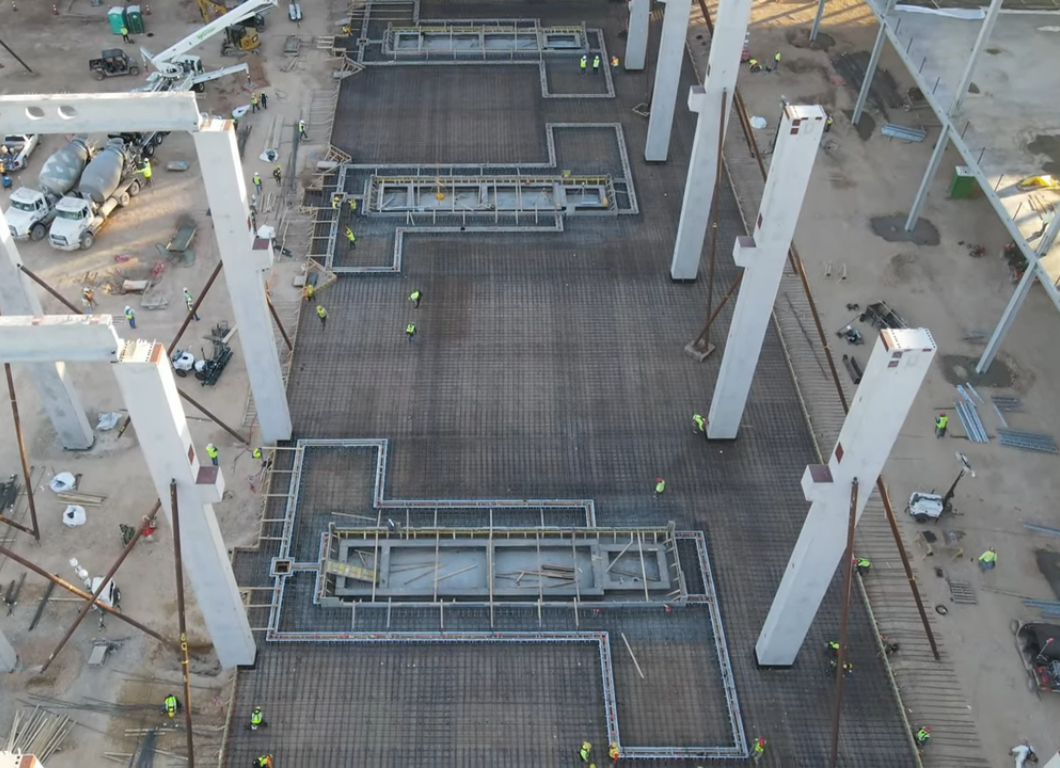
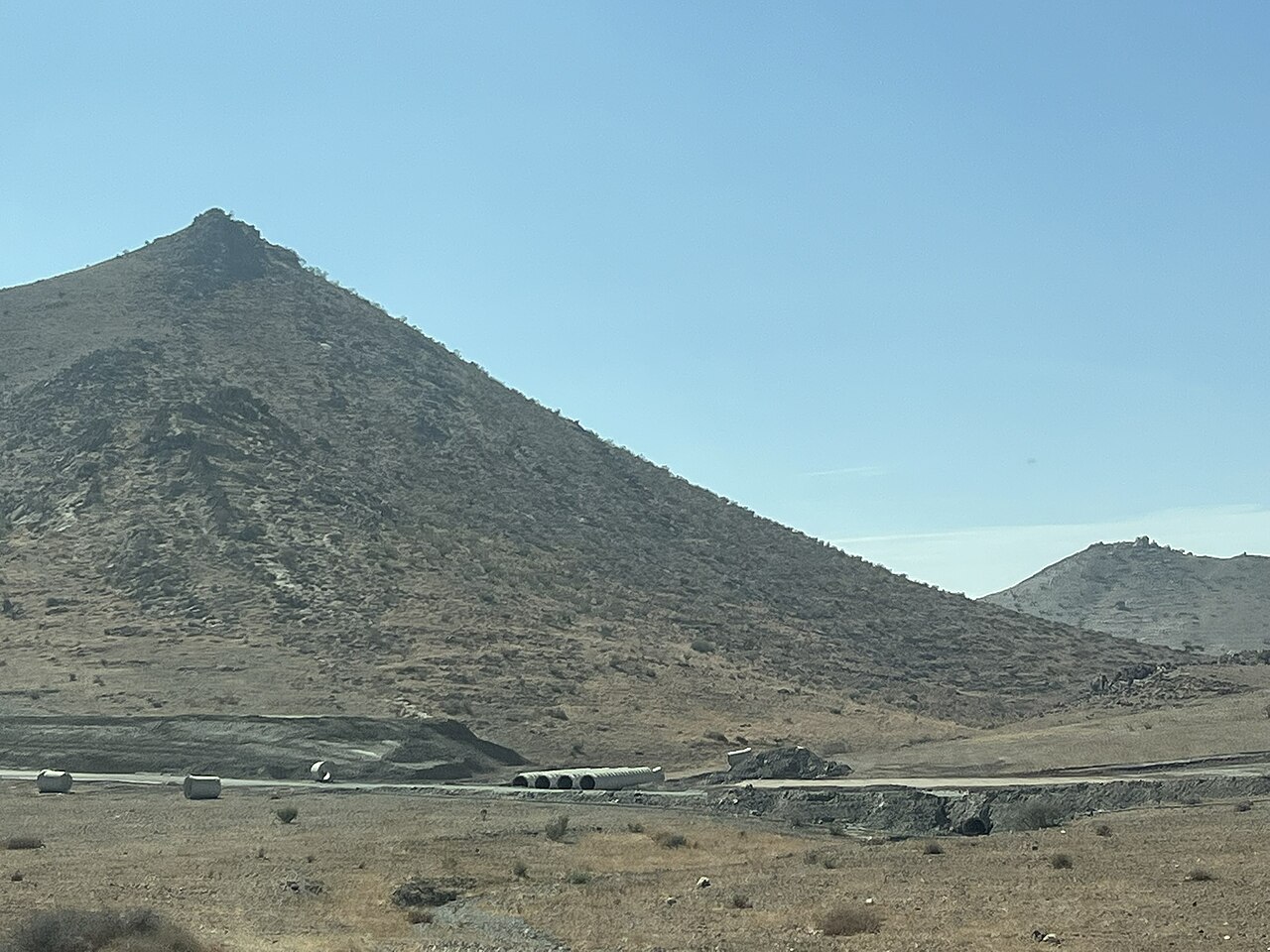
The Kenitra–Marrakesh high-speed rail line is the flagship project. Construction is underway in several areas, and the line is expected to connect major cities across the north and centre of the country. Faster rail links can change where people live, work and invest. They can also make it easier for workers to commute between cities, which widens the pool of jobs available to them.
Ports and logistics
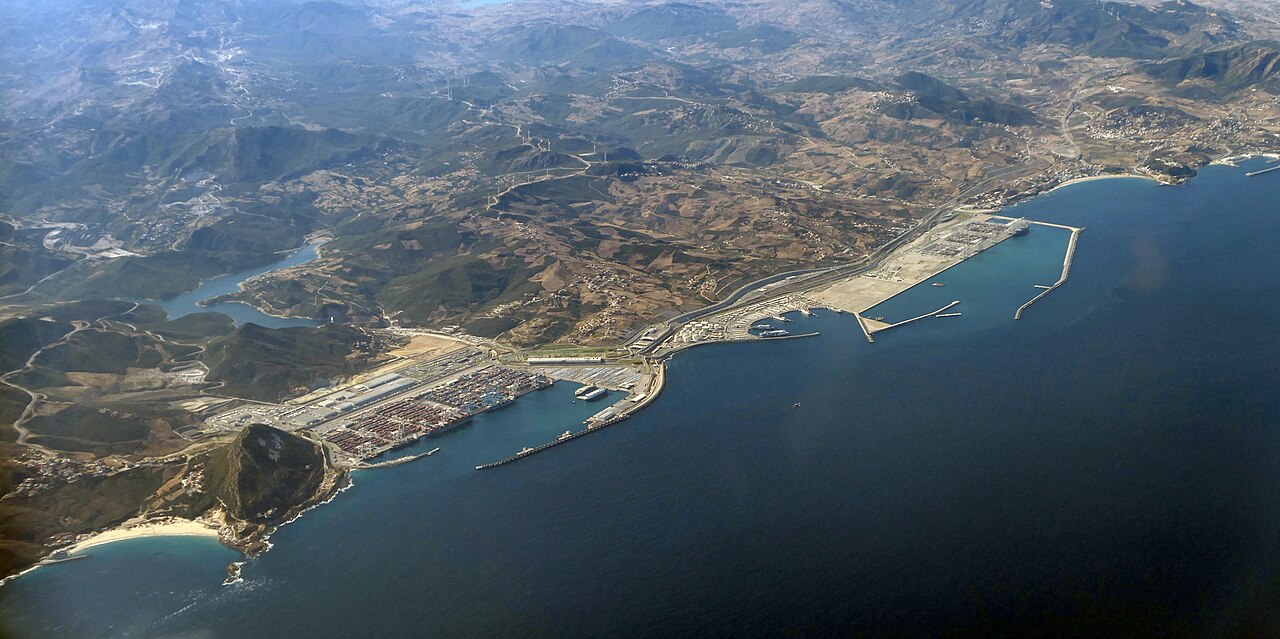
Tanger Med remains the centrepiece of Morocco's port strategy. Its container traffic links Morocco to Europe and Africa, and it supports manufacturing and export industries. Expanding port capacity lowers the cost of trade, which is one reason foreign investors pay close attention to these projects.
Airports, tourism and stadiums
Airports, tourism facilities and stadiums form the second part of the plan. They are linked to the growth of tourism and to major sporting events. Each project brings construction jobs in the short term and service jobs once it opens. Tourism facilities also support local businesses, from hotels and restaurants to craft producers and transport companies.
Why it matters for the economy
- Growth: World Bank figures show that public investment is one of the main reasons growth is strong in 2026.
- Jobs: construction and related industries absorb workers. The long-term effect depends on skills and training, which is why training programmes matter.
- Productivity: better transport and digital links reduce costs for businesses across the country. The World Bank estimates that closing the digital gap alone could raise productivity by 10% to 15%.
The risks
Large programmes come with real risks. Spending can overshoot the budget, especially in an election year, and project delays are common in construction. Public debt and the pace of implementation will be important to watch. A project that finishes late or over budget may still help, but it delivers less than planned.
How to judge progress
Readers can follow the programme through a few simple questions. Are projects finished on schedule? Are the costs in line with the budget? Are local companies and workers benefiting from contracts? And do the new facilities actually attract use, whether by passengers, freight companies or tourists?
The road to 2030
If the projects are delivered on time and with clear budgets, the infrastructure boom could leave a lasting base for growth. The real test will be whether the new rail lines, ports and facilities help create lasting, well-paid jobs for people across Morocco, not only for the companies that build them.
Key takeaways
- The 2026 budget includes roughly $40 billion of public investment across rail, ports, airports, tourism and stadiums.
- The Kenitra–Marrakesh high-speed rail line is the flagship project.
- Public spending rose 13.9% through July 2026, according to the DEPF.
- Delivery on time and on budget will decide how much the programme adds to growth.
What success would look like
A successful programme would finish projects close to schedule, keep costs within budget and give local firms and workers a share of contracts. It would also show results in measurable terms, such as faster journeys, higher freight volumes and more visitors. Those outcomes are the best way to judge whether the investment is working.
Frequently asked questions
What is the Kenitra–Marrakesh high-speed rail project?
It is the flagship rail project, with construction underway in several areas. The line is expected to connect major cities in the north and centre of the country.
How large is Morocco's public investment programme?
The 2026 budget includes roughly $40 billion of public investment for rail, ports, airports, tourism facilities and stadiums.
Does infrastructure create lasting jobs?
Construction creates many short-term jobs. Long-term employment depends on skills, training and the businesses that open once the facilities are running.