Climate talks in Antalya run through November 20. UN climate chief Simon Stiell has urged delegates to drop stalling tactics as producers resist firm targets and the United States stays away for a second year.
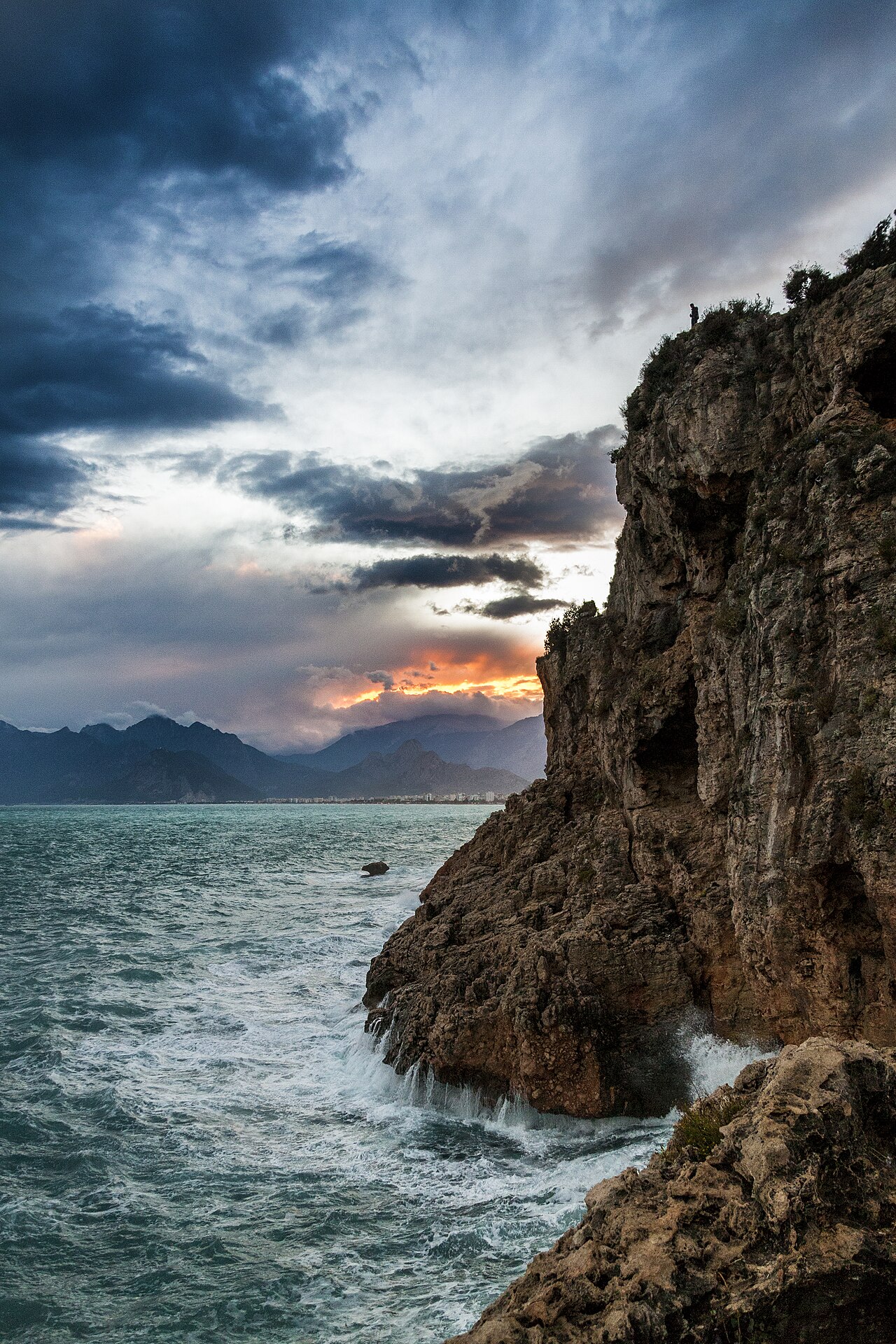
Delegates at the UN climate summit in Antalya, Türkiye, are heading into the second and final week of negotiations with the biggest questions unanswered. The conference runs from November 9 to 20. On Saturday, UN climate chief Simon Stiell asked countries to move faster and to drop stalling tactics, according to Reuters.
The fault line
Major fossil fuel producers and consumers are resisting language that would set firm new targets or call for a managed shift away from oil, gas and coal. Climate Change News described the first week as one of limited progress, with ministers only now arriving. Observers say a run of other crises, from wars to inflation, have pushed global warming down the priority list.
The host's proposal
Türkiye wants to put electrification at the heart of any final deal, including a flagship pledge to raise the share of energy delivered as electricity to 35% by 2035. It argues that this would speed the replacement of fossil-fuel equipment. Some large developing countries have pushed back on that pledge and on sectoral targets generally. They also question whether the conference should produce a short political "cover decision" as its main outcome, which several wealthy governments favour.
Who is missing
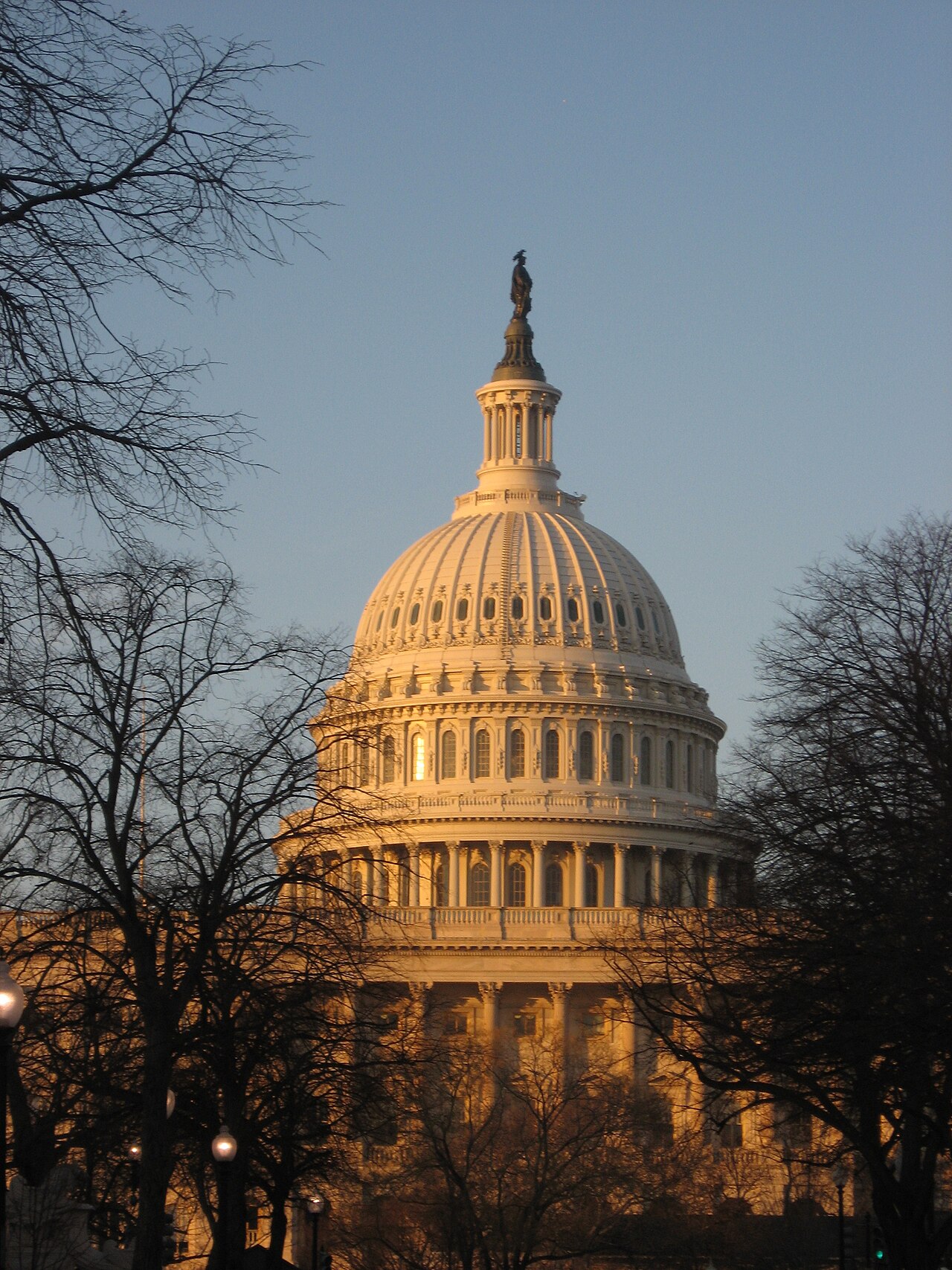
The United States, the world's biggest oil consumer, is not taking part for the second year running. That removes one of the biggest voices from talks about money and standards, and it gives other governments an excuse to wait.
What to watch
Look for the first public red lines at the stocktaking plenary, any change in wording on fossil fuels in draft texts, and whether the cover decision survives. Such summits typically finish late and the headline text is often heavily diluted. Official documents will appear on the UNFCCC site as drafts are published.
Also on EcoPress: Oil Falls for a Second Week as Supply Surplus Outweighs Gulf Tension · Small Modular Reactors and Data Centers: Can Nuclear Power the AI Boom?
Sources and further reading: Climate Change News, Day 6 bulletin; US News (Reuters); UNFCCC COP31 page. Figures are as reported on the date of publication and may change.