Tech giants are signing nuclear deals to power AI data centers. Small modular reactors promise faster builds, but fuel supply and timelines remain major hurdles.
AI data centers need enormous amounts of electricity that operate around the clock. That demand has pushed large technology companies toward nuclear power, and small modular reactors, or SMRs, are at the center of the conversation. Meta's agreement for up to 6.6 gigawatts of nuclear capacity, announced in January 2026, includes 2.8 gigawatts tied to eight planned Natrium plants, according to reports.
Why SMRs are attractive
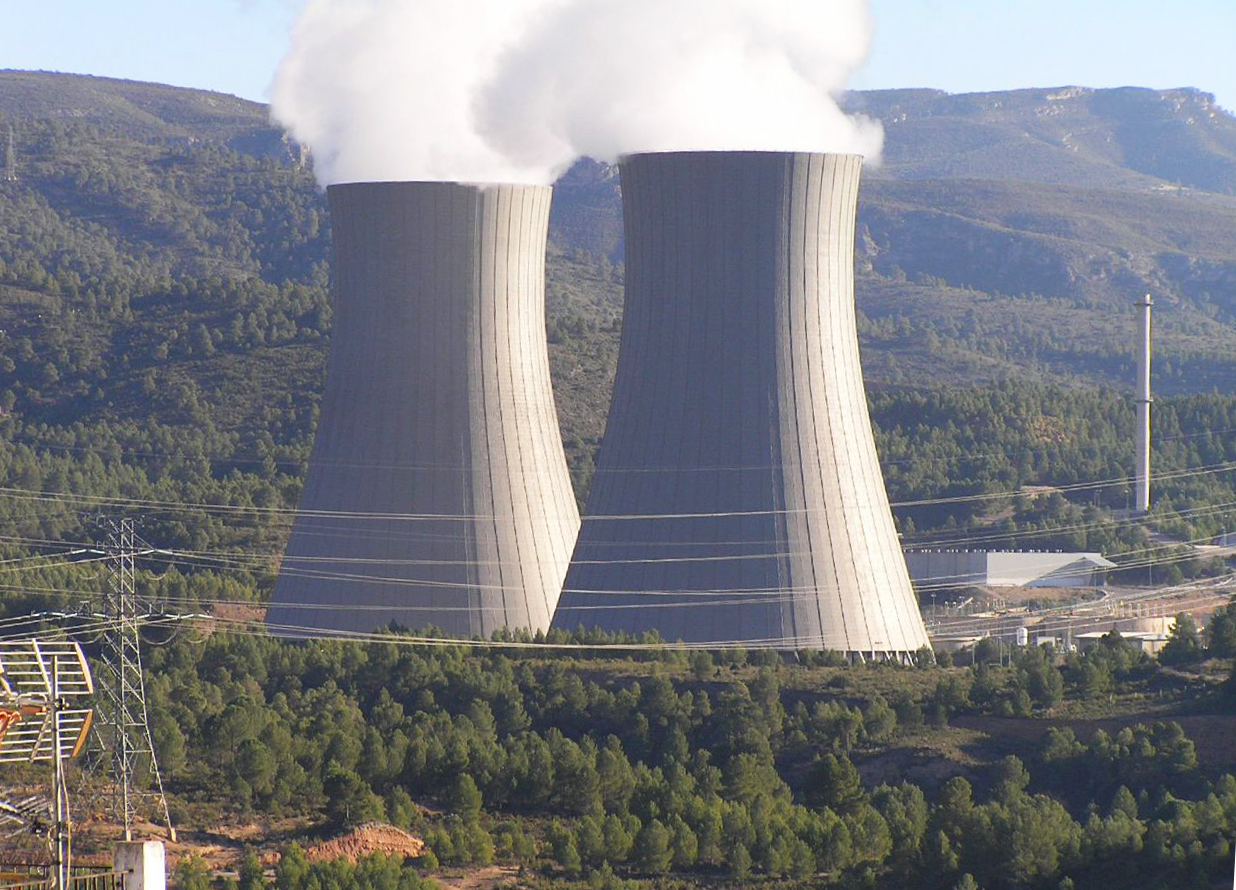
SMRs are smaller reactors designed to be built in factories and assembled on site. Supporters say this could cut construction time and cost compared with traditional large reactors. A reactor can also be placed close to a data center, which reduces the need for new transmission lines.
The US Energy Department has said it will help finance parts for ten 1.1-gigawatt reactors aimed at AI data centers, according to a May 2026 report. Several startups have also reached early milestones under the department's reactor pilot program.
The obstacles
Timelines are the main problem. Most analysts expect commercial deployments in the early 2030s, so SMRs will not solve near-term power shortages. Fuel is another bottleneck. Industry reports cite HALEU, a higher-enriched uranium fuel, as the biggest supply constraint. Reactors also adjust output slowly, which makes them harder to pair with data centers that need steady power.
What it means for power bills
Nuclear deals do not lower electricity prices overnight. Power demand from data centers is already pushing up wholesale prices in some regions. Long-term nuclear supply could ease that pressure, but only if the plants are built on schedule and on budget.
Key takeaways
- Meta's nuclear deal covers up to 6.6 GW, with 2.8 GW tied to eight Natrium plants.
- SMRs are designed for faster, factory-based construction, but most deployments are years away.
- HALEU fuel supply is a major bottleneck.
- Nuclear could help data centers later this decade, but not in the short term.
Frequently asked questions
What is a small modular reactor?
An SMR is a nuclear reactor with a smaller output, usually designed to be manufactured in parts and assembled on site.
Will SMRs power AI data centers soon?
Most projects are expected to deliver power in the early 2030s, according to analysts. Near-term data center power will rely mainly on existing grids and gas.
What is HALEU?
HALEU is high-assay low-enriched uranium, a fuel with a higher concentration of uranium-235 than standard reactor fuel. Supply is limited, which slows many new reactor designs.