The EIA expects the average US residential electricity price to rise from 17.3 to 18.2 cents per kWh in 2026. Data centers are a major driver, but not the only one.
US households are paying more for electricity. The Energy Information Administration expects the average residential price to rise from 17.3 cents per kilowatt-hour in 2025 to 18.2 cents in 2026, alongside record national electricity sales. Utilities across the country requested $18.6 billion in rate increases in the first half of 2026 alone, according to Powerlines.
How much data centers add
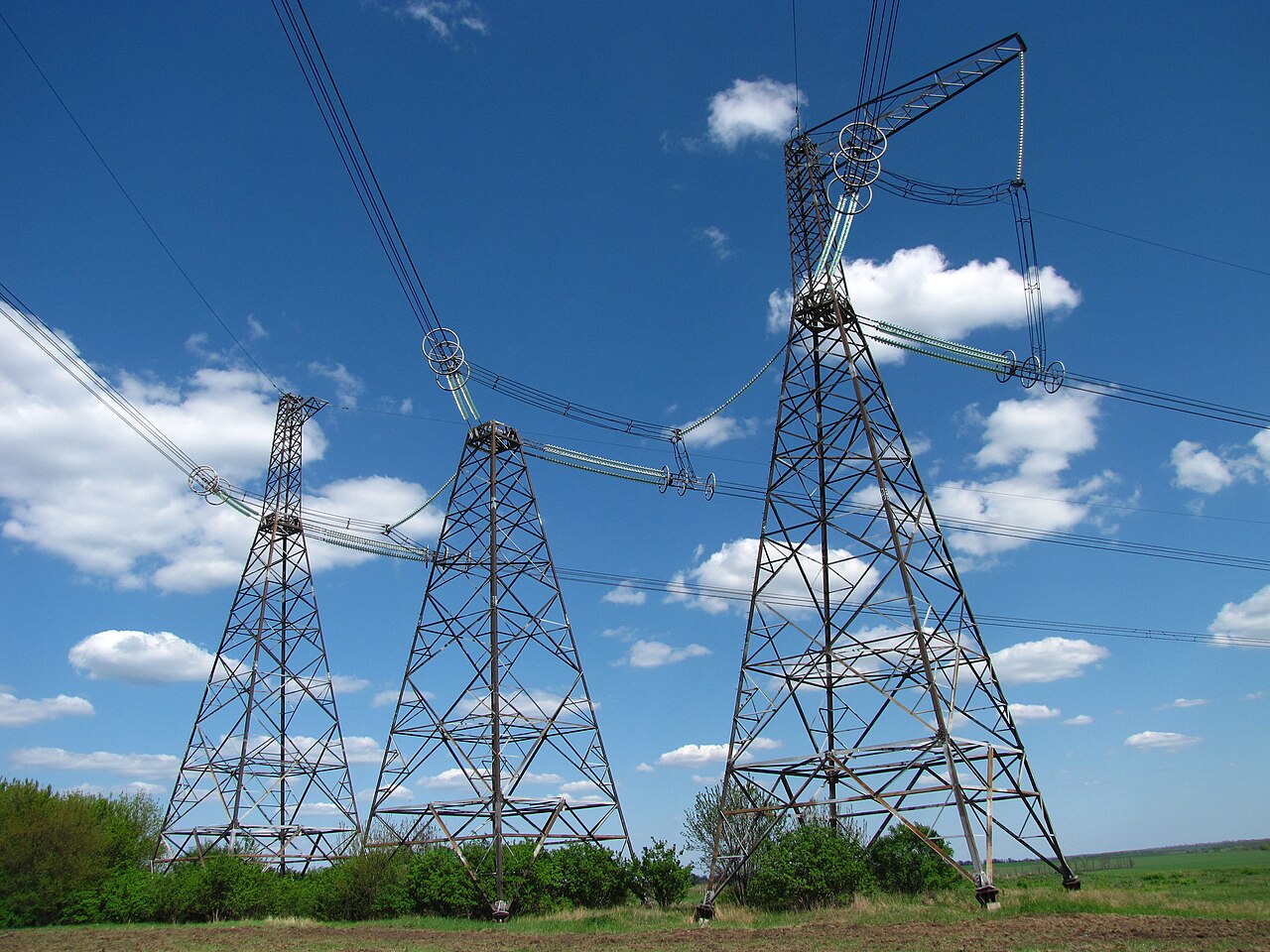
Researchers at the Federal Reserve Bank of Dallas estimate that existing data centers have raised wholesale electricity prices by 2% to 6% on average nationwide. The effect is much larger in some grid regions. In the PJM market, which covers much of the Mid-Atlantic, capacity auctions have added an estimated $29 billion in utility costs since 2024.
Other causes
Data centers are not the only factor. Rhodium Group points to aging infrastructure, and an S&P Global panel cited the need to replace transmission lines, extreme weather and wildfire damage. Critics also point to utility profits, which have been large in recent years. Analysts disagree on how to split the blame.
What households can do
Check whether your utility offers time-of-use rates or energy-efficiency programs. Review your bill for fees that have changed, and consider joining public comment sessions on rate cases. Local regulators decide many of these increases, so their decisions matter as much as national trends.
Key takeaways
- The EIA expects the average US residential price to reach 18.2 cents per kWh in 2026.
- Data centers raised wholesale prices by an estimated 2% to 6% nationally, according to Dallas Fed research.
- Aging infrastructure, weather and utility rate cases also drive higher bills.
- Local rate decisions often have a bigger effect on your bill than national news.
Frequently asked questions
Why are electricity bills rising in 2026?
The EIA points to higher demand, including from data centers, and the cost of upgrading grids. Utility rate requests also add to bills.
How much do data centers raise electricity prices?
The Federal Reserve Bank of Dallas estimates 2% to 6% on average for wholesale prices nationally, with much larger effects in some regions.
Can I lower my electricity bill?
Yes. Look at efficiency programs, time-of-use plans and home upgrades. Your utility's website usually lists current options.