OpenAI launched ChatGPT Wallet on November 13 for a small group of US Pro users. Agents can buy items using tokenized Visa, Mastercard and Amex credentials, but each purchase needs biometric approval and some merchants are blocking agents.
OpenAI has given its AI agents a way to pay. ChatGPT Wallet, introduced on November 13, is available to a limited number of US ChatGPT Pro subscribers who are 18 or older and hold eligible US-issued cards from Visa, Mastercard or American Express. One outlet gave a launch date of November 10, but most reports, including those quoting the company, say November 13.
How it works
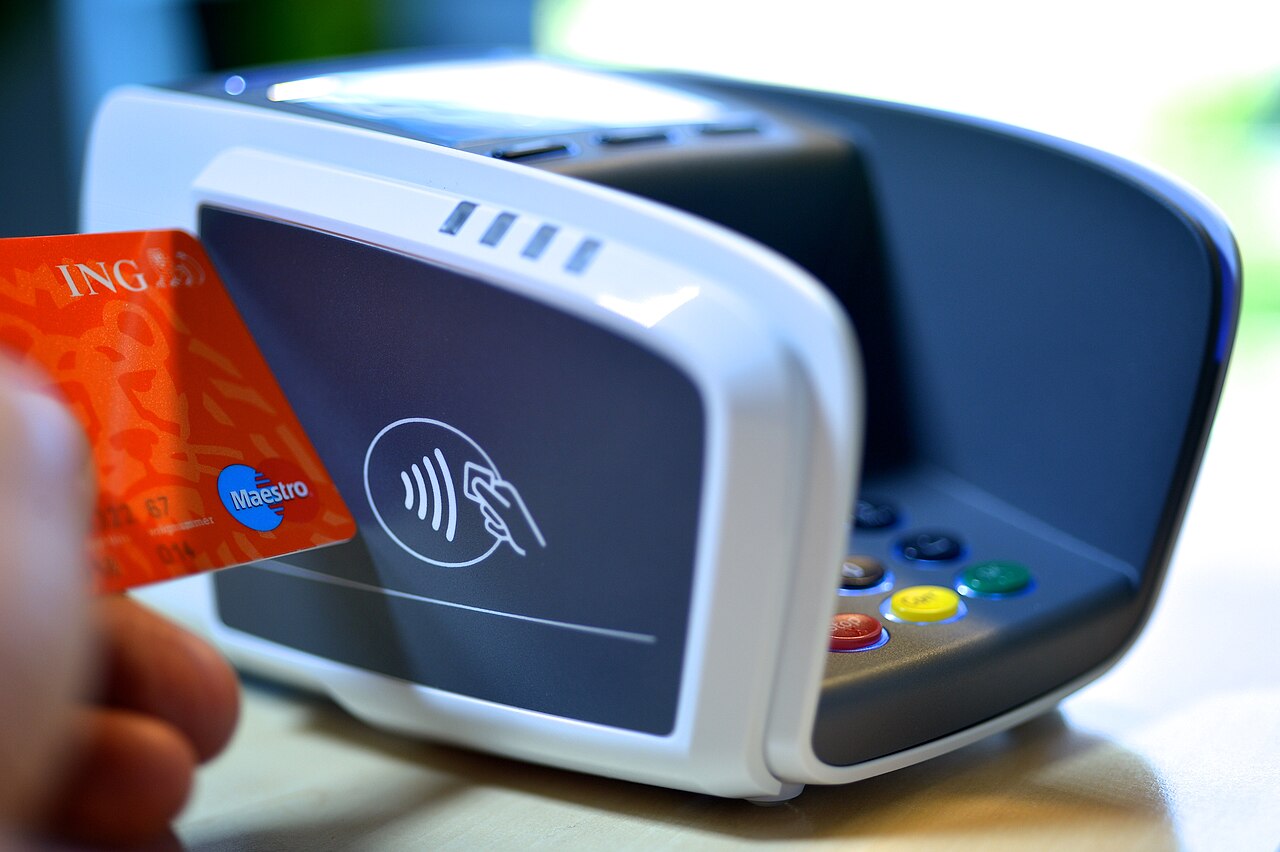
The wallet runs inside OpenAI's Dots agents. For each purchase, the card networks issue a tokenized credential, so neither the merchant nor the agent ever sees the real card number. The user must approve every transaction with biometric verification such as a fingerprint or face scan. OpenAI says it plans to allow purchases within preset spending limits without per-item approval later on, but that is not part of this first release.
Where it runs into walls
The company itself acknowledges that so-called agentic commerce is at an early stage and that some sites may block agent-led purchases. United Airlines has said it will not let agents book tickets, and Amazon does not allow them to buy on its marketplace. That leaves the wallet's most useful use cases, such as booking flights or buying from the biggest retailer, partly out of reach for now.
Questions still open
Under the wallet's terms, the merchant is the seller, and OpenAI is not a bank, card issuer, payment network, lender or merchant. What the launch material does not clearly explain is how refunds, returns and agent mistakes will be handled. If an agent buys the wrong size or the wrong flight date, who pays?
That matters for consumers and for fraud teams. As we noted in our report on AI-enabled scams, systems that act on a person's behalf create new openings for impersonation. Tokenization and biometric checks reduce those risks, but they do not remove them. Anyone testing the feature should start with small purchases and review the order confirmations.
Also on EcoPress: Deepfake Scams Are Growing Fast: How to Spot an AI-Generated Fraud · Black Friday 2026 Forecast: Record Online Sales Expected as Shoppers Plan Later
Sources and further reading: Android Authority; Quartz. Figures are as reported on the date of publication and may change.