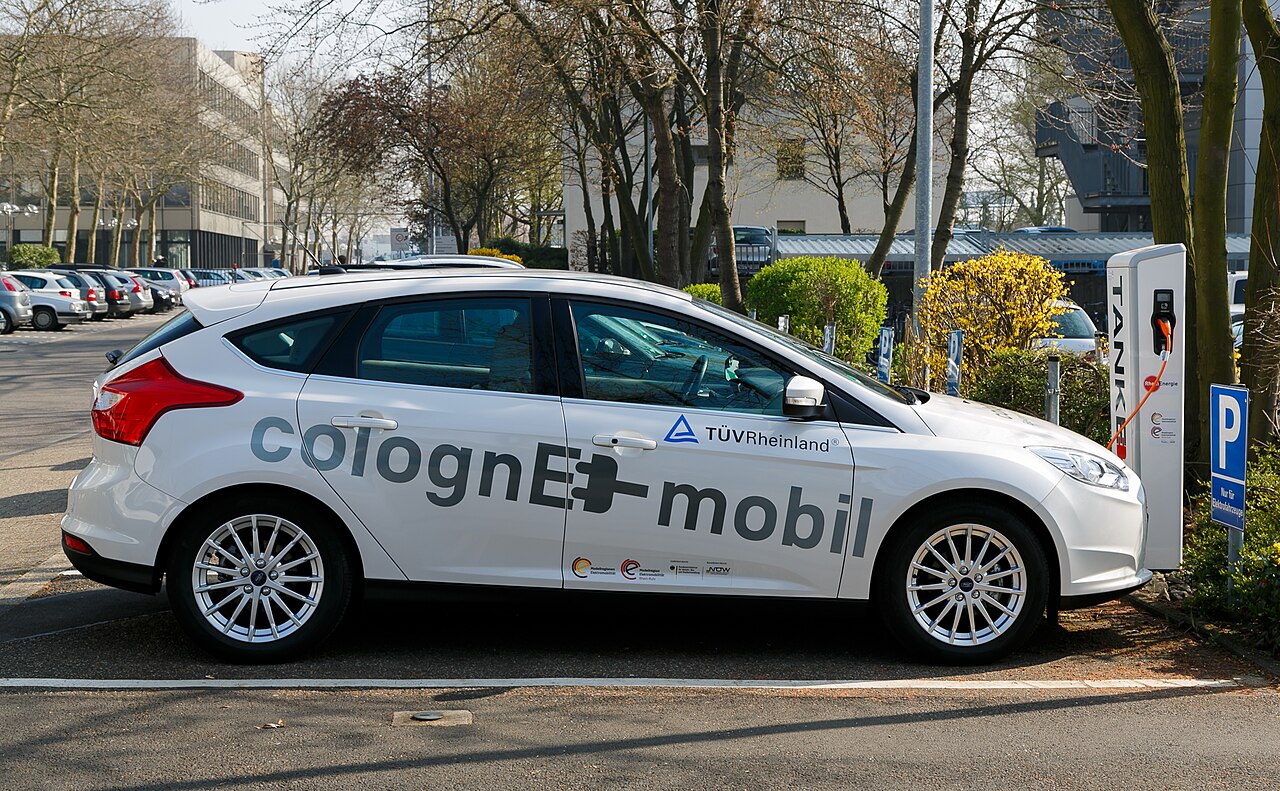
Global electric car sales are still growing in 2026, but more slowly than before. Here is what the IEA, BloombergNEF and sales data show, and why the picture varies by region.
Electric vehicles (EVs) are still one of the clearest global trends of the decade, but 2026 is a year of slower growth. Sales are rising in some regions and falling in others, and the forecasts differ depending on the source. This article explains the main numbers and what they mean.
What the main forecasts say
- IEA (May 2026 outlook): global electric car sales of about 23 million, close to 30% of all cars sold.
- IEA (mid-year update): EV sales rose about 4% in the second quarter, while total car sales fell about 5% in the first half. The agency now expects EV sales to grow by roughly 10% in 2026.
- BloombergNEF (June 2026): more than 23 million passenger EVs, an increase of about 11% on 2025, or roughly 27% of global car sales.
The headline figures are close, but they are not identical. Different sources count different vehicles and use different cut-off dates, so compare like with like before quoting a number.
Sales data shows a more mixed picture
SNE Research reported 16.06 million EV sales from January to September 2026, a rise of 5.8% on the same period in 2025. Battery-electric vehicles gained share, while plug-in hybrids declined.
Counterpoint Research, looking at the first quarter, found that passenger EV sales grew only about 1%. China, which accounts for more than half of global sales, recorded a 15% decline, the first fall since the COVID-19 pandemic. The United States also declined. Growth is therefore weaker in the two largest markets.

Where the growth is coming from
- Europe: the IEA expects electric car sales in Europe to rise by about 20% in 2026.
- Emerging markets: the IEA cites policy support in Latin America and Southeast Asia. In March 2026, 30 countries recorded record monthly EV sales, and 60 more recorded year-on-year growth.
- Battery-electric vehicles: they are gaining share against plug-in hybrids.
Why growth has slowed
Policy changes in China and the United States have reduced incentives or made demand less predictable. Fuel prices, interest rates and the cost of batteries also affect buying decisions. For many buyers, the main question is still price and charging access, especially outside big cities.
What to watch
- Whether battery-electric sales keep gaining share in Europe and emerging markets.
- Policy support in China and the United States in the second half of 2026.
- Charging infrastructure, which decides whether buyers in smaller towns can switch.
The overall trend is clear: EVs are becoming a mainstream choice, but the path is uneven. Growth is coming from new markets as much as from the traditional leaders.
Key takeaways
- Forecasts for 2026 include about 23 million electric car sales worldwide.
- Growth is around 10% in the IEA's mid-year update, while Q1 sales were weak in some markets.
- Europe and emerging markets are carrying much of the growth.
- Charging access and policy support will shape the second half of 2026.
What this means for buyers
For a household deciding on its next car, the key questions are running costs, charging options near home and the resale value of the vehicle. Growth in the market does not guarantee lower prices for every model, so it is worth comparing total ownership costs over several years rather than focusing on the sticker price alone.
Frequently asked questions
How many electric cars are expected to be sold in 2026?
The IEA's May 2026 outlook projected about 23 million electric car sales, close to 30% of the global total. BloombergNEF gave a similar figure of more than 23 million.
Are electric car sales still growing?
Yes, but more slowly. The IEA expects roughly 10% growth in 2026, while Counterpoint found only about 1% growth in the first quarter, showing how much the data depends on timing and method.
Which region is growing fastest?
Europe and several emerging markets are the main sources of growth in 2026, according to the IEA's reports. China and the United States weakened in the same period.