The IEA says gas markets will stay tight into 2027. EU storage could fall below 10% by March if Hormuz LNG supply is disrupted or winter is cold. Here is why it matters.
Europe enters the winter of 2026–27 with less room for error in its gas supply. The International Energy Agency (IEA) has warned that tightness in natural gas markets could extend into 2027. The main risks are disruptions to liquefied natural gas (LNG) shipments and a colder-than-usual winter. This article explains the problem in plain terms.
What the IEA is warning
The IEA expects gas markets to remain tight into 2027. In practice, this means demand may be close to or above available supply for longer than usual. When that happens, prices rise and governments need to act to protect households and industry.
Why storage is the key number
Gas storage is the cushion that keeps heating running in winter. The warning is that EU storage could fall below 10% by March if LNG supply through the Strait of Hormuz is disrupted, or if the winter is cold. Low storage leaves less margin, so even a short period of high demand can force emergency measures.
The LNG link to the Middle East
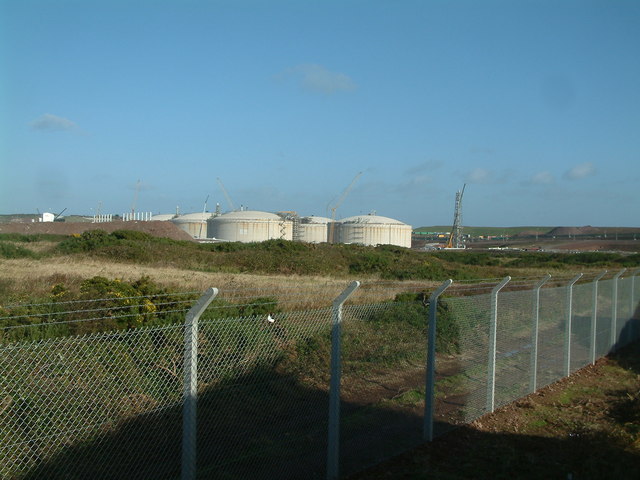
LNG carries gas by ship from exporters to importers. Several large LNG producers in the Gulf depend on shipping through the Strait of Hormuz. If those shipments are disrupted, buyers in Europe and Asia must compete for cargoes from other suppliers, which can push prices up quickly.
What this means for consumers
- Household bills: higher gas prices feed into heating and electricity costs, although the timing depends on each country's contracts and support schemes.
- Industry: energy-intensive sectors such as chemicals and fertilisers are the most exposed to price spikes.
- Policy: governments may need to subsidise bills, use strategic reserves or accelerate investment in alternative supply.
What could ease the squeeze
A diplomatic breakthrough that keeps LNG flowing, a mild winter, and faster filling of storage sites would all reduce the pressure. Energy efficiency measures and new supply from other regions also help over the medium term.
What to watch
- EU storage levels through the winter months.
- Any disruption to LNG cargoes in the Strait of Hormuz.
- Weather forecasts for the coldest months, which drive demand.
Frequently asked questions
What is LNG?
Liquefied natural gas is natural gas cooled to a liquid so it can be shipped by sea. It is turned back into gas at import terminals.
Why is the 10% storage figure important?
It indicates how little margin the system would have if supply were cut or winter were severe. Lower storage makes price spikes and shortages more likely.
Will my gas bill rise?
It depends on your contract, country and government support. Wholesale price rises usually reach households with a delay.