Humanoid robots are attracting huge investment, and a few are entering factories and warehouses. Here is what is real, what is hype, and how to read the shipment forecasts.
Humanoid robots, machines built with a human-like body, have moved from science-fiction demonstrations to real investment and pilot projects. In 2026, the question is no longer whether they can walk and grasp objects, but whether they can do useful work reliably and safely. This article separates the real progress from the hype.
Early commercial deployment
Agibot, a Chinese robotics company, says 2026 will be the first year of large-scale commercial deployment for so-called embodied AI, meaning robots that perceive and act in the physical world. Reports indicate that Figure's humanoid supported production at a BMW plant during a 2025 pilot. Boston Dynamics' Atlas has reportedly started commercial production, with its initial deployments committed to Hyundai Motor Group facilities and Google DeepMind. These are important steps, but they are still early.
The shipment forecasts disagree
Berg Insight projects about 16,000 humanoid units shipped in 2026, rising to 26 million a year by 2040. Other estimates are higher, and one blog cites more than 50,000 for 2026. These differences are large because definitions vary: some count research units, some count pilot units and some count commercial deployments. Always check what a forecast includes.
Real work and hype
Hype and reality are both visible. Elon Musk reportedly admitted in January 2026 that no Optimus robots were yet doing useful work in Tesla's factories. Prediction markets have priced only about a 14% chance of a commercial Tesla Optimus release by the end of 2026. Meanwhile, companies with narrower tasks, such as warehouse handling or inspection, are closer to measurable results.
Investment is flowing in
NEURA Robotics, a German company, announced a Series C round of up to $1.4 billion in June 2026, with a reported valuation of about $7 billion. Investors include major technology and industrial firms. One analysis describes physical AI as one of the top categories in a record quarter for venture investment, though totals vary by source.
Safety is the barrier to scale
A robot that works next to people must be safe to be useful at scale. Nvidia has introduced a platform called Halos for Robotics, designed to make humanoids safer to work alongside. Safety certification, insurance and worker training will all affect how quickly these machines spread.
What it means for jobs and skills
- Task-based change: robots are more likely to take on specific tasks than to replace whole jobs in the short term.
- New roles: supervising, maintaining and programming robots will need new technical skills.
- Industrial policy: countries with strong manufacturing bases will compete hard for robot production.
What to watch
- Independent reports of paid, sustained deployments rather than demonstrations.
- Safety standards for robots that work alongside people.
- Whether shipment forecasts for 2027 are revised up or down.
Frequently asked questions
What is a humanoid robot?
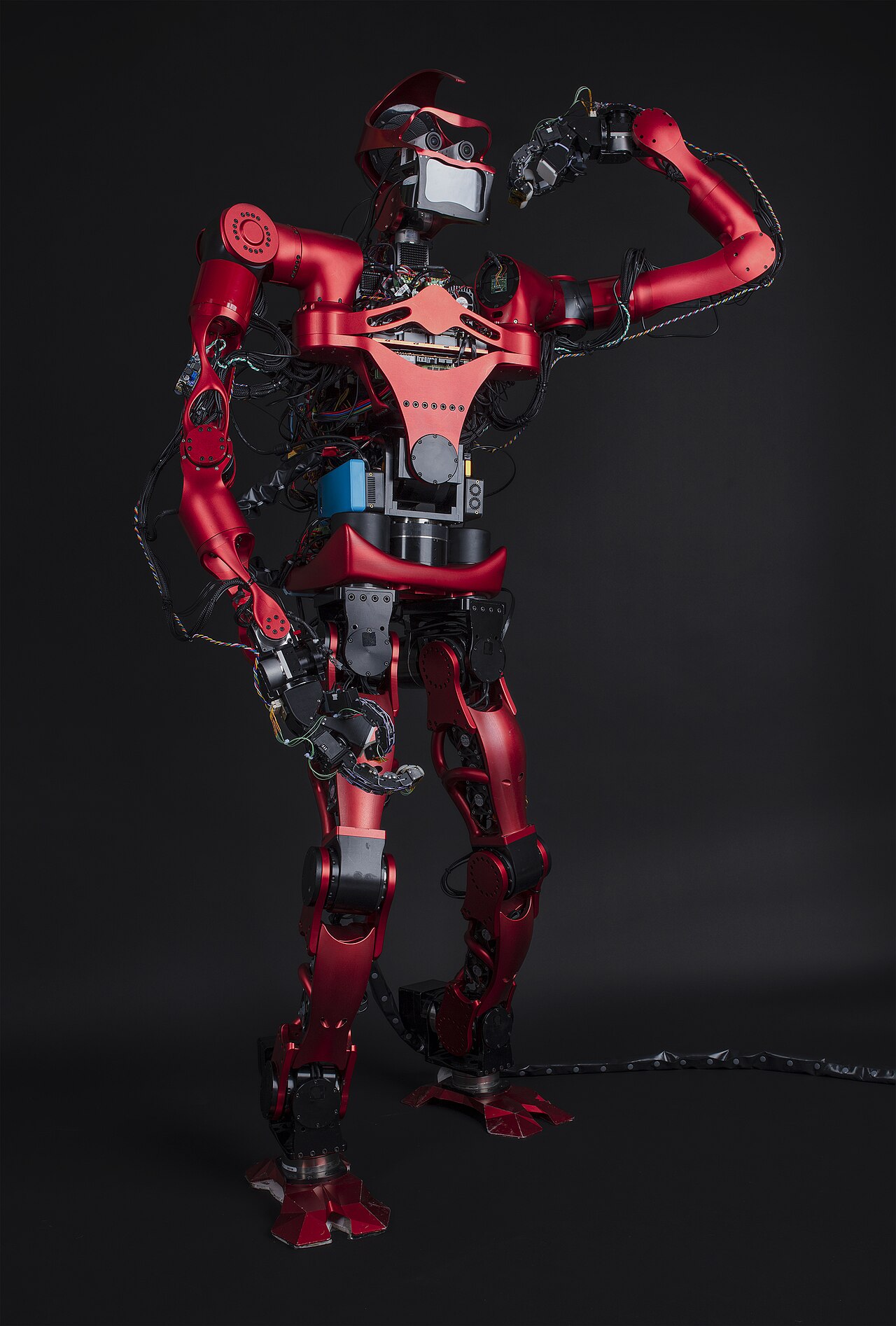
A humanoid robot has a body shaped like a human, usually with arms, legs and a head. Its purpose is to work in environments designed for people.
Are humanoid robots working in factories now?
Some are in pilot projects and early commercial deployments, such as warehouse and inspection tasks. Large-scale use is still expected rather than established.
Why do shipment forecasts differ so much?
Forecasters define units differently, counting research, pilot or commercial shipments. Compare definitions before comparing numbers.