
Governments and courts are moving to protect children from AI chatbots. Age verification, lawsuits and proposed bans are the main developments. Here is what is changing.
AI chatbots are now part of everyday life for many young people, for homework, conversation and entertainment. That popularity has raised concerns, and in late 2026 lawmakers, regulators and courts are moving faster to set limits. This article explains the main developments and what they could mean for families and companies.
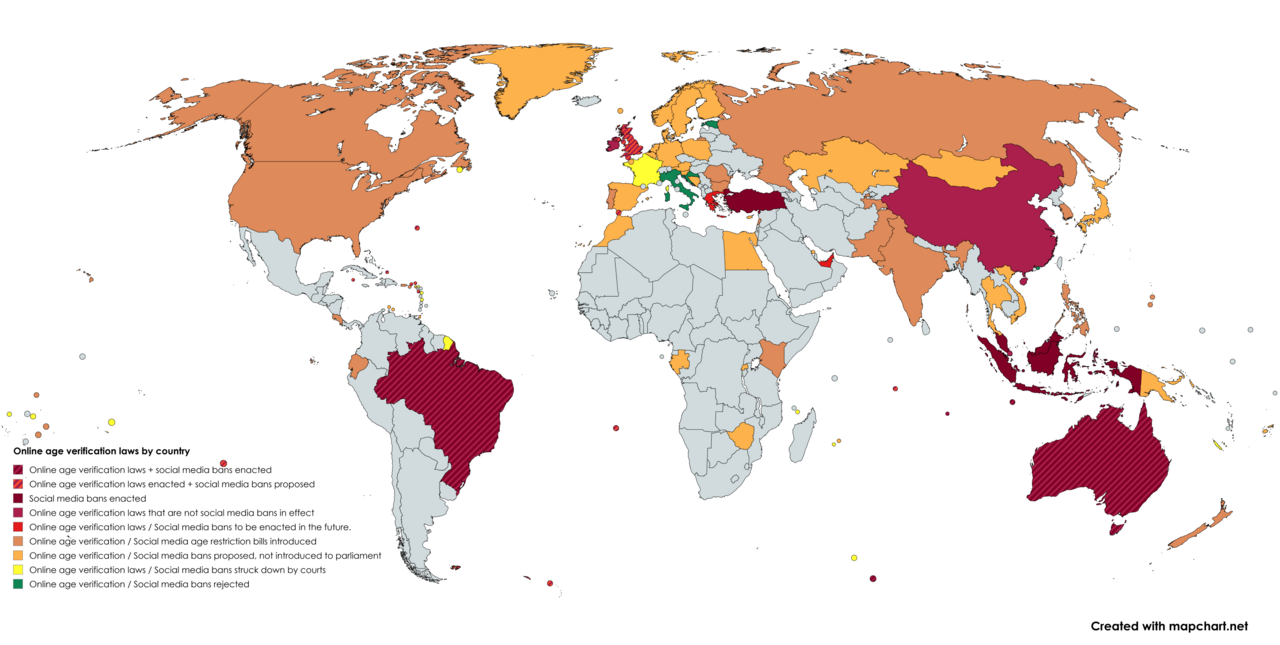
Age checks are coming
One newsletter reports that Character.AI will bar minors from its service starting 25 November 2026 and will introduce age verification. The move follows five lawsuits against the company. Age verification is becoming a common requirement, but it raises its own questions about privacy and how personal data is stored.
Proposed bans for minors
Some US senators have proposed banning chatbots for minors altogether. This would be a much stronger step than age verification, and it has not yet become law. Supporters argue that children are especially vulnerable to manipulation. Critics warn that bans can be hard to enforce and may push young people to less regulated tools.
Customer service rules
New York City's Department of Consumer and Worker Protection has proposed a rule against AI customer service "doom loops", where a chatbot keeps customers stuck in unhelpful cycles. The public hearing and comment deadline were moved from 19 November to 18 December 2026, giving businesses more time to respond.
EU and UK developments
In the European Union, the Commission asked for feedback on an implementing act of the AI Act, with comments open until 9 November. In the United Kingdom, the medicines regulator has outlined the next phase of its approach to AI in medical technology. These steps show that regulation is moving from principles to detailed rules.
What families can do
- Check the age rules and safety settings of any AI app a child uses.
- Talk with children about what chatbots can and cannot do, including that they can make mistakes.
- Keep an eye on personal information shared with online services.
What to watch
- Whether age verification is applied consistently across chatbot providers.
- The outcome of proposed bans for minors in the US Congress.
- Final rules in New York City and under the EU AI Act.
Frequently asked questions
Are AI chatbots being banned for minors?
Some US senators have proposed bans, but no ban has become law. Some providers are introducing age checks instead.
What is age verification?
It is a process that checks whether a user is old enough to use a service, often by requesting an ID or using an age-estimation tool.
What is an AI doom loop?
It is when a customer is trapped in a repetitive chatbot conversation that cannot solve the problem, and the proposed NYC rule would address this.